English
 Español
Mercerized Velvet Fabric Is the Premium Choice for Luxurious, Durable, and Color-Rich Textiles
When evaluating high-end textile materials for fashion, upholstery, or decorative applications, mercerized velvet fabric stands out as the superior choice for those who refuse to compromise between aesthetic brilliance and structural longevity. The mercerization process fundamentally transforms the core fibers of the velvet, resulting in a material that not only captures and reflects light with an unparalleled sheen but also resists the common pitfalls of traditional velvet, such as pilling, fading, and fiber collapse. By chemically treating the yarns under tension before they are woven into the plush pile, this fabric achieves a level of dimensional stability and color saturation that standard velvet simply cannot match. For creators and consumers looking for a textile that maintains its opulent appearance and tactile softness through years of use, mercerized velvet fabric provides an unmatched combination of practical performance and visual luxury.
Understanding the Core Nature of Mercerized Velvet
To truly appreciate the value of this material, one must look beyond its surface-level softness and understand its structural composition. Velvet is characterized by its evenly distributed, dense pile of upright threads, which creates a soft, immersive texture. However, when the base yarns used to construct this pile undergo mercerization, the entire physical chemistry of the textile changes.
The Science Behind Mercerization
Mercerization is a specialized textile treatment process named after its inventor, John Mercer. It involves exposing cotton or other plant-based fibers to a concentrated sodium hydroxide solution. The critical element of this process is that the yarn is kept under strict physical tension while the chemical is applied and subsequently washed out. This tension prevents the fibers from shrinking and forces them to reorganize at a microscopic level. The cross-section of the fiber changes from a flat, bean-like shape to a perfectly round profile. This round shape acts like a microscopic prism, allowing the fiber to catch and reflect light much more effectively than an untreated fiber.
How It Differs from Standard Velvet
Standard velvet, while undeniably soft, often suffers from a somewhat matte finish unless it is made from silk or synthetic fibers like polyester. Traditional cotton velvet has a beautiful depth but lacks the luminous quality that high-end applications demand. Furthermore, standard cotton velvet is highly susceptible to shrinkage and losing its shape over time. Mercerized velvet fabric bridges this gap. It takes the breathable, comfortable nature of plant-based fibers and elevates it to a level of visual brilliance that rivals silk, while adding significant mechanical strength. The result is a textile that feels incredibly natural against the skin but looks vibrant under various lighting conditions.
The Step-by-Step Production Process
The creation of this exquisite textile is a meticulous journey that requires precision at every stage. From the raw fiber to the finished roll, the transformation is both chemical and mechanical.
Yarn Preparation and Treatment
The process begins long before the loom is involved. High-quality, long-staple cotton is spun into yarn. Because long-staple fibers are smoother and have fewer exposed ends, they produce a more lustrous and durable final product. These yarns are then subjected to the mercerization bath. The concentration of the sodium hydroxide, the temperature of the bath, and the duration of exposure are all carefully controlled variables. If the tension is too low, the yarn will shrink and become brittle; if the chemical is too concentrated, the yarn can be damaged beyond repair. Once the chemical treatment is complete, the yarn is thoroughly neutralized and washed, locking in the new round cellular structure.
Weaving the Pile
After the yarn has been mercerized and dried, it is ready for weaving. Velvet is traditionally woven on a specialized loom that creates two layers of fabric simultaneously. The mercerized yarn forms the pile that connects these two layers. As the fabric comes off the loom, a specialized cutting blade travels down the center of the pile, slicing the two layers apart and creating the characteristic upright tufts of velvet. Because the yarn was mercerized prior to weaving, the structural integrity of the pile is exceptionally high, reducing the number of loose fibers and significantly minimizing shedding during the initial use phase.
Dyeing and Finishing
The final stage is dyeing, which is where the mercerized velvet fabric truly reveals its superiority. The chemical restructuring of the fiber opens up the cellulose structure, making it vastly more receptive to dye molecules. A mercerized velvet fabric can absorb up to significantly more dye than an unmercerized equivalent, resulting in profoundly deeper, richer color saturation. After dyeing, the fabric may undergo processes like steam pressing or brushing to further enhance the pile's direction and sheen, culminating in a textile that possesses a uniform, glowing surface.
Key Performance Advantages
The decision to utilize mercerized velvet over other plush textiles is driven by several distinct performance benefits that impact both the manufacturer and the end-user. These advantages go far beyond simple aesthetics, touching on durability, maintenance, and long-term value.
Exceptional Dimensional Stability
One of the most frustrating issues with natural fiber textiles is their tendency to warp or shrink when exposed to moisture or mechanical stress. The mercerization process effectively pre-shrinks the yarn and locks the polymer chains of the cellulose into a more stable configuration. For tailors and furniture makers, this means the fabric will hold its shape precisely as cut and sewn. For consumers, it means garments can be cared for with less anxiety, and upholstered furniture will maintain a taut, smooth surface for years without developing unsightly ripples or sagging.
Superior Tensile Strength
The tension applied during the chemical treatment aligns the fiber molecules, resulting in a measurable increase in tensile strength. Mercerized yarn is notably stronger than its untreated counterpart, directly translating to a velvet fabric that resists tearing, seam slippage, and structural fatigue. This is particularly crucial for upholstery applications, where fabrics must withstand the constant stress of weight, friction, and stretching. A sofa upholstered in this material will inherently have a longer lifespan than one covered in standard velvet.
Enhanced Resistance to Pilling
Pilling occurs when loose fibers rub together and tangle into small, unsightly balls on the surface of a fabric. Because mercerization removes the microscopic fuzz and scales from the surface of the yarn and increases its smoothness, the friction coefficient between adjacent fibers is drastically reduced. This smoothness means that even in high-friction areas, such as the elbows of a jacket or the seat cushions of a chair, the fabric is far less likely to develop pills, preserving its pristine, smooth appearance over extended periods of use.
Comparative Analysis: Mercerized Velvet vs. Other Textiles
To fully contextualize the value of mercerized velvet fabric, it is helpful to examine it alongside other popular materials used for luxury applications. The following table provides a clear, objective comparison across several critical performance metrics.
| Feature | Mercerized Velvet | Standard Cotton Velvet | Silk Velvet | Polyester Velvet |
|---|---|---|---|---|
| Visual Sheen | High, consistent luster | Low to moderate, matte | Extremely high, organic glow | High, but often synthetic shine |
| Tensile Strength | Highly durable | Moderate durability | Low to moderate, delicate | Very high durability |
| Breathability | Excellent | Excellent | Excellent | Poor, traps heat |
| Color Fastness | Superior retention | Prone to fading | Moderate, bleeds easily | High retention |
| Shrinkage Resistance | Very high | Low, shrinks easily | Low, highly sensitive | High |
As demonstrated in the comparison, mercerized velvet fabric effectively occupies a unique sweet spot in the textile market. It avoids the fragility and high maintenance of silk velvet while outperforming standard cotton velvet in almost every measurable category. Unlike polyester velvet, which can feel clammy and synthetic against the skin, mercerized velvet retains the natural, breathable comfort of cotton while offering a comparable level of strength and color fastness.
Practical Applications in Fashion and Apparel
In the realm of fashion, the choice of fabric is often the defining factor in the perceived value and wearability of a garment. Designers increasingly turn to mercerized velvet fabric when they need a material that behaves well during the construction process and delivers a spectacular final presentation.
Evening Wear and Formal Attire
For evening gowns, tuxedos, and cocktail dresses, the fabric must convey elegance and sophistication. The inherent sheen of mercerized velvet catches the ambient light of a room, creating a subtle, shifting glow as the wearer moves. Because the fabric holds its shape and does not easily stretch out at the knees or elbows, structured garments like tailored jackets and form-fitting dresses maintain their crisp, intentional silhouettes throughout a long evening. The deep color saturation achieved through the mercerization process ensures that blacks appear profoundly deep and jewel tones look exceptionally vivid.
Everyday Luxury and Seasonal Transitions
While traditionally reserved for formal wear, the enhanced breathability and durability of mercerized velvet have made it a popular choice for elevated everyday clothing. Lightweight variations of the fabric are used to create blouses, tailored trousers, and casual jackets that transition seamlessly from autumn into winter. Because the fabric is breathable, it does not cause the overheating associated with synthetic plush materials, making it comfortable for indoor wear throughout the day. Its resistance to pilling ensures that these everyday garments look newer for longer, justifying the investment in a premium textile.
Transforming Interior Design and Upholstery
Beyond the fashion runway, mercerized velvet fabric has become a cornerstone material in high-end interior design. The demands placed on upholstery textiles are significantly different from those placed on garments, requiring a specific set of performance characteristics that this material uniquely satisfies.
Furniture Upholstery
When upholstering sofas, armchairs, and headboards, designers need fabrics that can withstand constant abrasion, weight, and exposure to sunlight. Mercerized velvet excels in these environments. Its increased tensile strength prevents the fabric from tearing at stress points, while its superior color fastness ensures that a vivid emerald green or sapphire blue sofa will not fade into a dull, washed-out shade after months of sitting near a window. The dense, upright pile also has practical acoustic benefits; it absorbs sound, helping to dampen echoes in large, open-concept living spaces and creating a feeling of acoustic warmth.
Window Treatments and Decorative Accents
Heavy drapes made from mercerized velvet fabric serve both an aesthetic and functional purpose. The weight of the fabric allows it to fall in perfect, crisp folds, while the dense pile acts as an excellent insulator, blocking out drafts and reducing outside noise. Additionally, the backing of the fabric combined with the dense pile provides near-complete blackout capabilities, making it an ideal choice for bedrooms and home theaters. For decorative pillows and throws, the fabric adds an immediate layer of tactile and visual richness to a room, inviting touch and anchoring the color palette of the space.
Essential Care and Maintenance Guidelines
Despite its enhanced durability, mercerized velvet fabric still requires a specific approach to care to ensure its pile and sheen remain intact over the decades. Understanding the proper maintenance techniques is vital for preserving the investment.
Cleaning and Stain Removal
The golden rule of velvet care is to avoid saturating the fabric with water, as this can flatten the pile and cause water spots. For routine maintenance, regular, gentle vacuuming with a soft brush attachment is highly effective for removing dust and preventing it from settling deep into the pile. In the event of a spill, immediate action is required. The recommended method is to blot the stain gently with a clean, absorbent cloth—never rub, as rubbing will permanently distort the pile. For more stubborn stains, specialized velvet cleaners or a very mild detergent diluted in water can be applied sparingly to the affected area, but the fabric should always be dried quickly using a low-heat hairdryer while gently brushing the pile back into its upright position.
Storage and Crushing Prevention
The primary enemy of velvet is crushing, which occurs when the upright pile is flattened under pressure for an extended period. When storing garments made of mercerized velvet, they should never be hung on thin wire hangers, which can leave permanent shoulder dimples. Instead, they should be hung on wide, padded hangers or carefully folded with acid-free tissue paper placed inside the folds to prevent crease lines. For upholstered furniture, rotating cushions regularly ensures that the pile wears evenly. If a crushed area does occur, such as from a heavy object placed on a sofa, the pile can often be revived by holding the fabric over a steaming kettle or using a garment steamer, and then gently brushing the fibers upward with a soft-bristled clothes brush.
Sustainability and Environmental Considerations
As the textile industry faces increasing scrutiny regarding its environmental impact, the lifecycle of the materials we choose becomes critically important. Mercerized velvet fabric offers several distinct ecological advantages over its synthetic counterparts, though the chemical treatment process itself requires responsible management.
Biodegradability of Natural Fibers
Because mercerized velvet is primarily produced from plant-based fibers like cotton, it is inherently biodegradable. At the end of its useful life, a garment or piece of upholstery made from this fabric will break down naturally in the environment, returning to the earth without leaving behind microplastics. This stands in stark contrast to polyester velvet, which sheds microscopic plastic fibers with every wash and wear. These microplastics enter waterways, persist in the environment for centuries, and infiltrate the food chain. By choosing mercerized cotton velvet, consumers and designers can significantly reduce their contribution to microplastic pollution.
Longevity as a Sustainable Strategy
The most sustainable garment or piece of furniture is the one that lasts the longest. Fast fashion and cheap, synthetic textiles are designed for obsolescence, quickly losing their shape, color, and appeal, resulting in them being discarded into landfills. The enhanced strength, shrink resistance, and color fastness of mercerized velvet fabric ensure that items made from it remain functional and beautiful for generations. A well-maintained velvet sofa or a classic velvet blazer is often passed down as an heirloom, embodying the principle of slow fashion and sustainable consumption. While the sodium hydroxide used in mercerization is a harsh chemical, modern textile facilities employ closed-loop water systems that recycle and neutralize the chemicals, significantly mitigating the environmental footprint of the production phase.
Future Trends in Mercerized Velvet Innovation
The textile industry is never static, and the future of mercerized velvet fabric is being shaped by emerging technologies and shifting consumer demands. Innovations in fiber blending and digital application are expanding the boundaries of what this classic material can achieve.
Blended Fibers for Enhanced Performance
While pure mercerized cotton velvet is exceptional, textile engineers are experimenting with blending small percentages of advanced fibers to create hybrid fabrics with targeted properties. For instance, integrating a minimal amount of elastane into the mercerized yarn can create a stretch velvet that offers unparalleled comfort and freedom of movement for form-fitting apparel, without sacrificing the structural integrity and sheen of the mercerized pile. Similarly, blending in naturally antimicrobial fibers can result in upholstery fabrics that actively resist the growth of mold and bacteria, making them ideal for use in humid climates or healthcare environments.
Digital Printing on Mercerized Piles
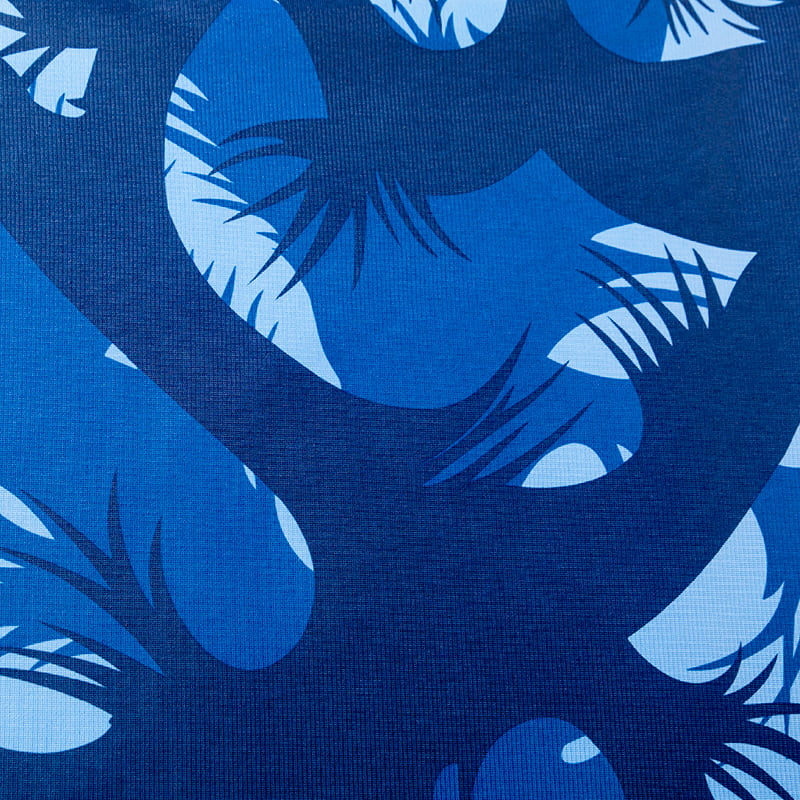
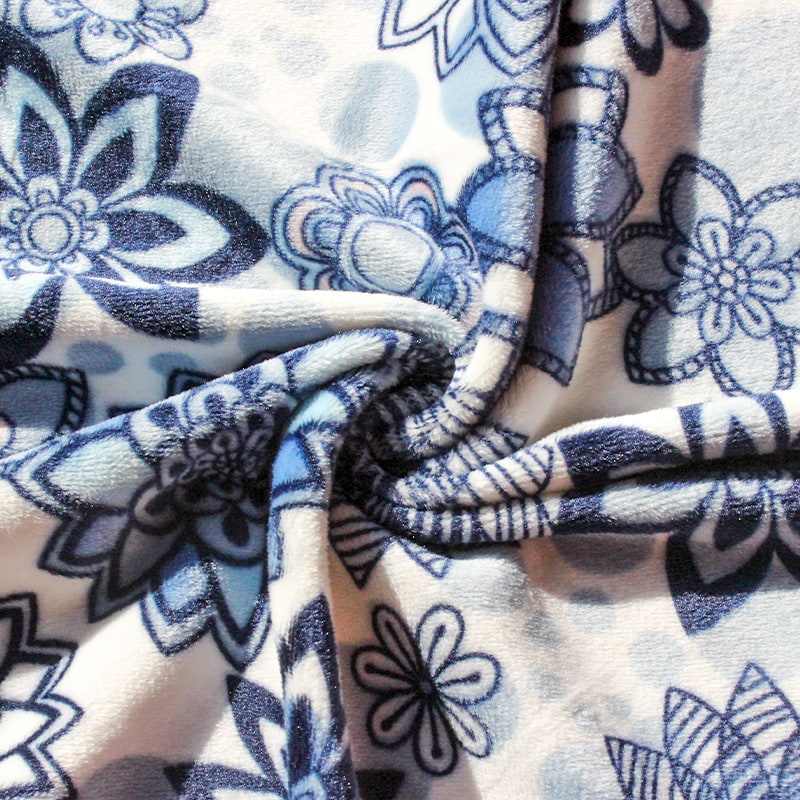
Historically, printing intricate patterns on velvet was incredibly difficult because the uneven, plush surface would blur the details of the design. However, advances in digital textile printing technology have made it possible to apply high-resolution, multi-colored designs directly onto mercerized velvet fabric. The superior dye absorption of the mercerized fibers means that the printed colors are exceptionally vibrant and sharp. This development is opening up new creative avenues for interior decorators and fashion designers, allowing them to utilize the luxurious texture of velvet alongside complex geometric patterns, photorealistic imagery, and custom artistic designs that were previously impossible to achieve on a plush surface.
Making an Informed Textile Selection
Navigating the textile market requires a discerning eye and a clear understanding of the specific demands of your project. Whether you are an independent fashion designer sourcing materials for a new collection, an interior decorator specifying fabrics for a luxury residential project, or a consumer investing in a high-quality garment, knowing how to evaluate mercerized velvet fabric is essential.
Evaluating Quality Markers
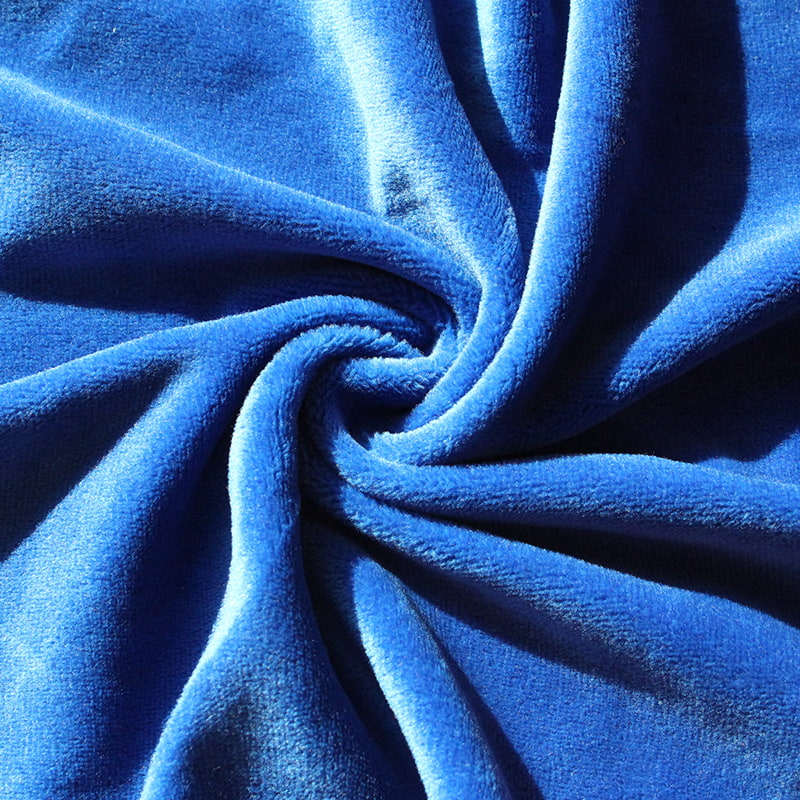
When assessing a bolt of mercerized velvet, there are several tactile and visual cues to look for. First, observe the sheen. A high-quality mercerized fabric will have a deep, liquid-like luster that shifts subtly as the fabric moves, rather than a flat, shiny plastic appearance. Next, run your hand over the pile in both directions; it should feel incredibly smooth and dense, with no bare patches or uneven tufts. Finally, perform a simple crush test by pressing your thumb firmly into the fabric and releasing it. A premium mercerized velvet fabric will recover quickly and completely, with the pile springing back to its original upright position without leaving a permanent depression.
Aligning Fabric with Project Requirements
It is also crucial to match the weight and pile height of the velvet to the intended application. For tailored clothing like blazers and trousers, a shorter pile and a lighter-weight fabric are necessary to prevent the garment from looking bulky and to allow it to drape naturally. Conversely, for upholstery, a longer pile and a heavier, denser backing are required to withstand abrasion and provide the necessary acoustic and thermal insulation. By carefully considering these factors and choosing mercerized velvet fabric, creators can ensure that their projects not only look spectacular upon completion but continue to deliver exceptional performance and aesthetic value for years to come. The deliberate choice of this advanced textile is a testament to a commitment to quality that refuses to compromise.