English
 Español
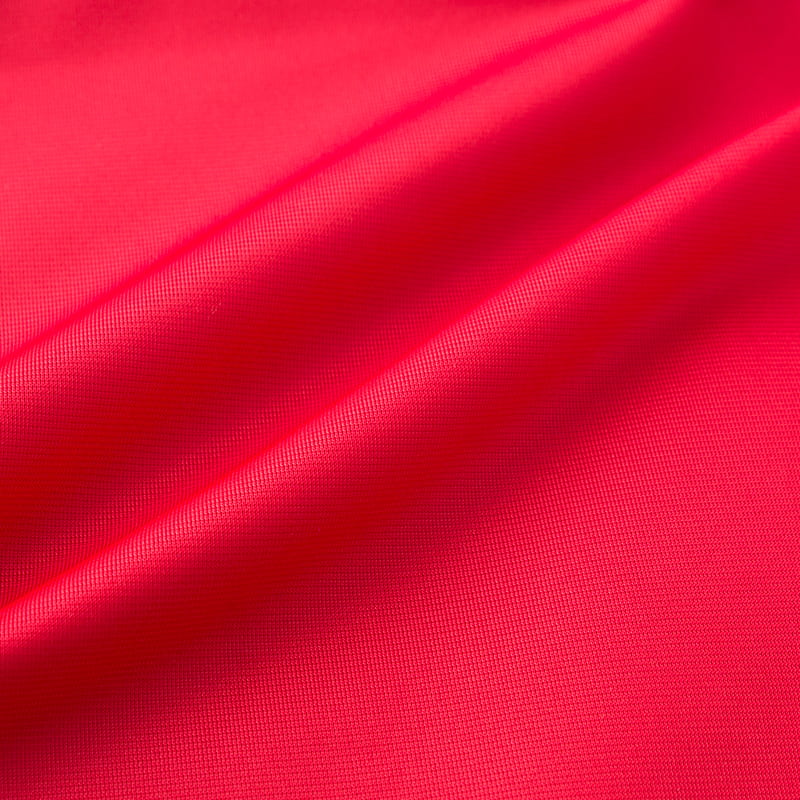
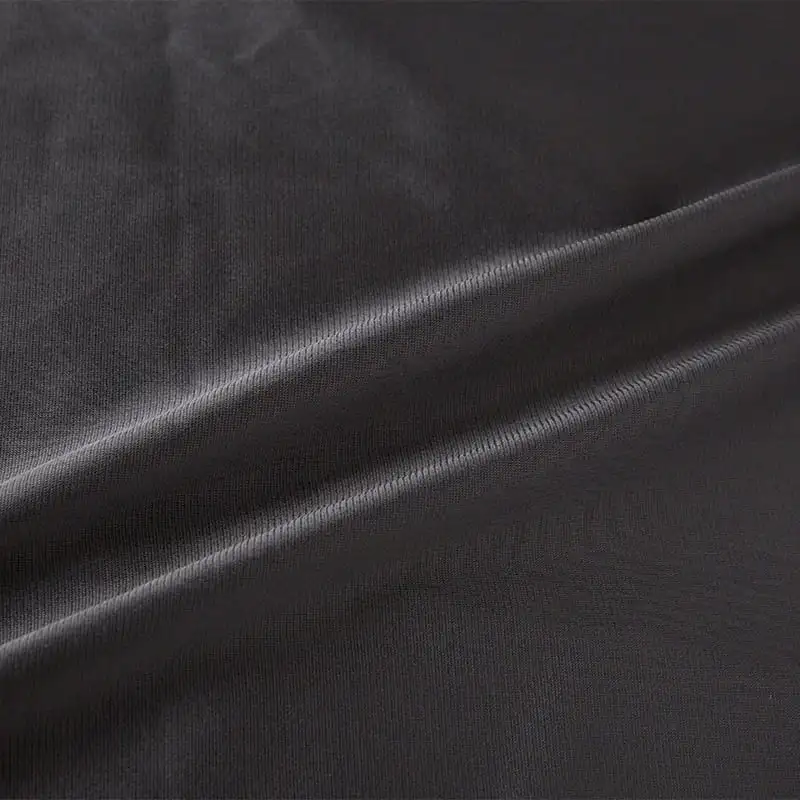
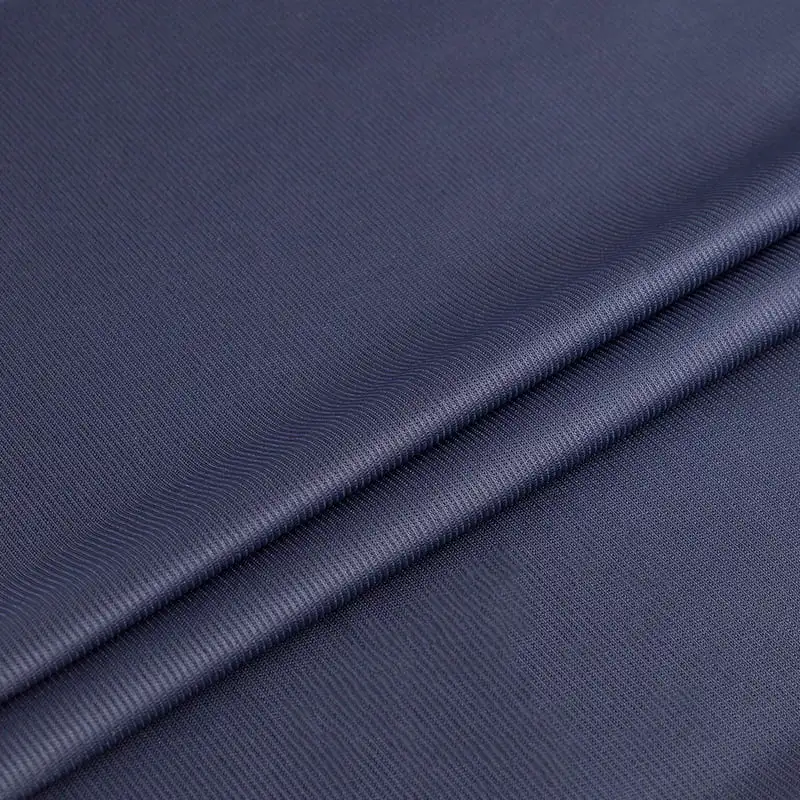
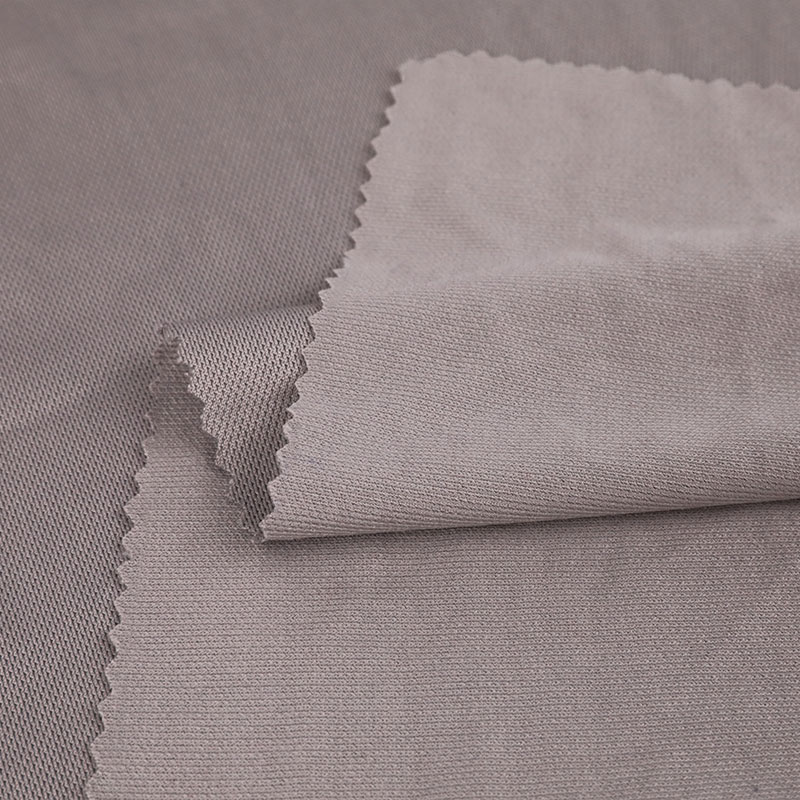
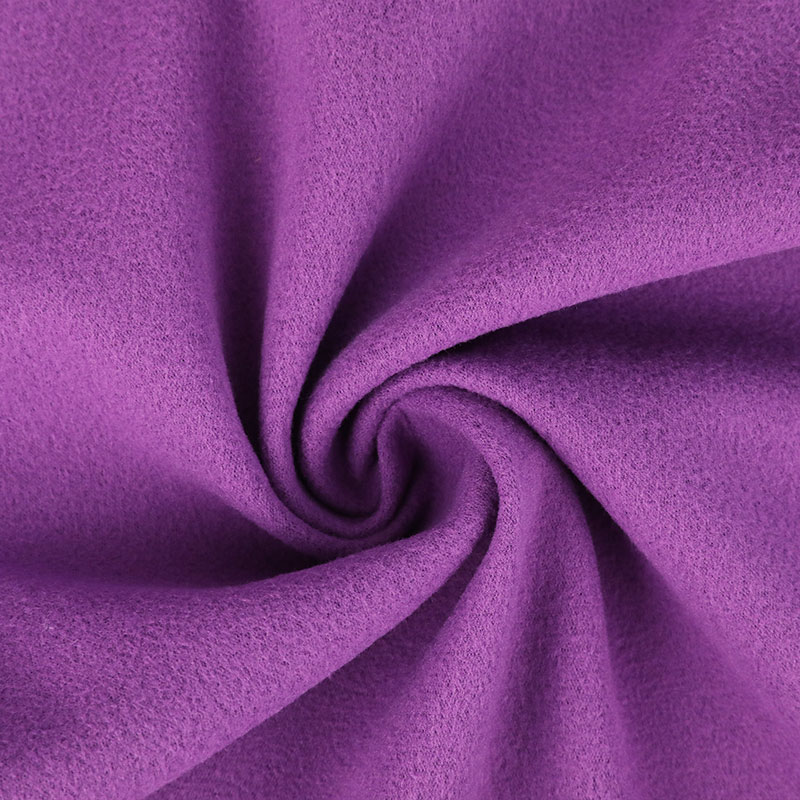
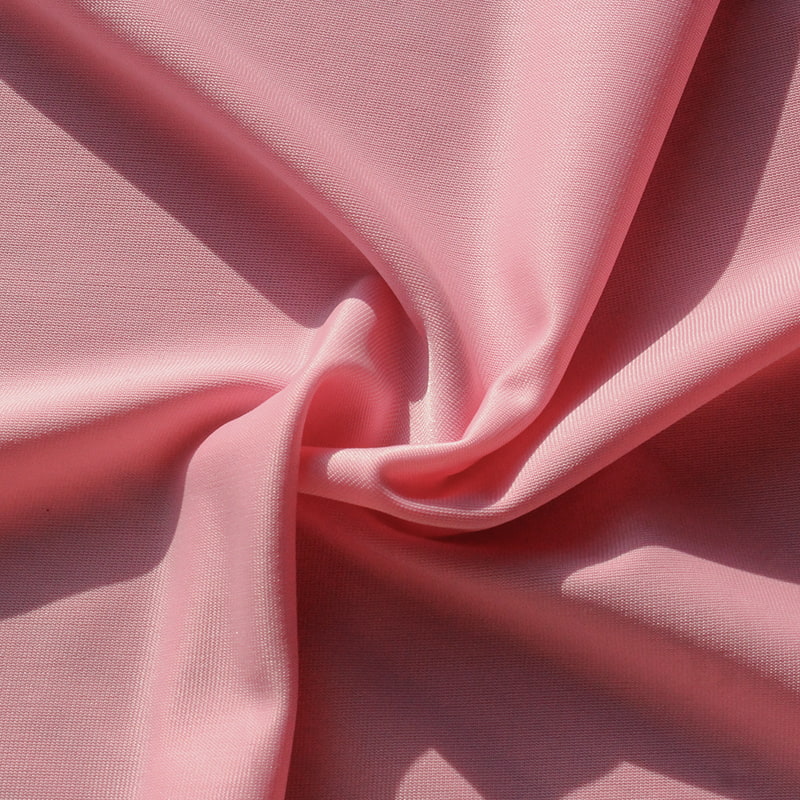
Super poly knitting tricot brushed fabric stands as the premier choice for applications requiring an optimal blend of exceptional softness, structural stability, and cost-effectiveness. This specialized textile merges the inherent resilience of polyester with the sophisticated construction of tricot knitting, culminating in a distinctive brushing process that yields an unparalleled surface texture. Whether deployed in the realm of apparel, home textiles, or technical applications, this fabric delivers reliable, long-lasting performance. Its unique ability to retain shape while providing a luxurious hand feel makes it an indispensable material in modern textile manufacturing. By understanding its properties and manufacturing nuances, industry professionals can effectively leverage this fabric to enhance product quality and consumer satisfaction across diverse market segments.
Understanding the Core Composition
To fully appreciate the capabilities of this fabric, one must dissect its foundational elements. The term itself reveals the exact nature of the material, breaking down into three critical components that define its performance profile.
The Significance of Super Poly
The "super poly" designation refers to the use of high-tenacity, premium-grade polyester fibers. Polyester is inherently resistant to shrinking, stretching, and mildew, making it a robust foundation. The "super" qualifier indicates a superior caliber of polymer processing, resulting in smoother filaments and greater consistency throughout the yarn. This elevated quality directly translates into enhanced durability and a more refined tactile experience after the fabric is finished. The super poly foundation ensures the fabric can withstand rigorous mechanical stress without compromising its structural integrity.
The Tricot Knitting Mechanism
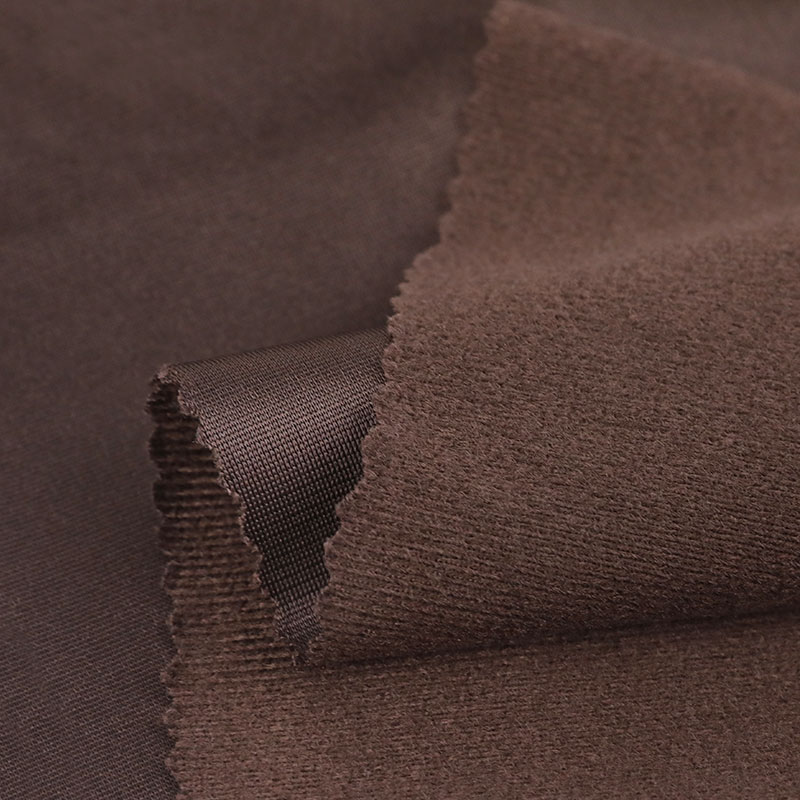
Tricot is a specific type of warp knitting. Unlike weft knitting where a single yarn traverses horizontally, warp knitting utilizes thousands of individual yarns simultaneously forming vertical loops. This construction method produces a fabric with distinct technical faces and backs. The tricot structure is inherently stable, resisting runs and ladders even if a single thread breaks. It provides a smooth, flat surface on the face, which is ideal for subsequent finishing, and a textured back that is perfect for brushing. The dimensional stability of tricot knitting is crucial for maintaining the fabric's shape during the rigorous brushing process.
The Brushing Process Unveiled
The defining characteristic of this fabric is its brushed finish. After knitting, the fabric passes through a brushing machine equipped with rotating cylinders covered in fine, metallic wire tips. These wires gently abrade the surface of the fabric, carefully pulling the loose polyester fibers out of the woven structure. This action creates a dense, uniform pile of upright fibers on the surface, resulting in a plush, suede-like texture. The brushing process not only softens the hand feel dramatically but also increases the fabric's surface area, enhancing its insulation properties and moisture-wicking capabilities. The resulting nap effectively traps warm air, providing thermal regulation without adding significant weight.
Key Performance Characteristics
The synthesis of premium polyester, tricot construction, and mechanical brushing yields a fabric with a highly desirable performance matrix. These characteristics dictate how and where the fabric can be utilized effectively.
- Exceptional Softness: The brushed surface creates a peach-skin or velvet-like touch that is gentle against the skin, making it ideal for close-fitting garments.
- High Dimensional Stability: The warp-knitted tricot structure prevents the fabric from stretching out of shape, ensuring long-term fit and structural reliability.
- Superior Pilling Resistance: High-quality super poly fibers and tight knitting parameters minimize the formation of pills, maintaining a clean appearance over extended use.
- Effective Thermal Insulation: The raised fiber pile traps body heat efficiently, providing warmth in cold conditions while remaining lightweight and breathable.
- Excellent Color Retention: Polyester fibers accept dyes uniformly and resist fading, ensuring vibrant colors endure through repeated washing and UV exposure.
Primary Application Areas
The versatility of super poly knitting tricot brushed fabric allows it to span multiple industries. Its unique balance of comfort and durability makes it a go-to material for various practical applications.
Apparel and Fashion Industry
In the apparel sector, this fabric is a staple for autumn and winter collections. It is frequently used for lightweight jackets, athletic warm-up suits, and lining materials for coats and suits. The soft brush provides a comfortable barrier against the skin, eliminating the chill often associated with putting on cold-weather gear. Furthermore, it is widely utilized in the production of dancewear, activewear, and casual loungewear, where freedom of movement and skin comfort are paramount. Its moisture-wicking nature keeps the wearer dry during physical exertion, while the insulation keeps them warm during rest.
Home Textiles and Upholstery
Within the home, the fabric's resilience is highly valued. It serves as a popular choice for throw blankets, decorative pillows, and mattress tickings. In upholstery, it is often used as a backing fabric or a visible face fabric for low-traffic furniture. The tight tricot weave resists pet claws and daily abrasion better than many loose weaves, while the brushed finish adds a cozy, inviting aesthetic to interior spaces. It is also commonly found in slippers and soft home footwear, providing warmth and cushioning.
Technical and Industrial Uses
Beyond consumer goods, the fabric possesses technical merits. It is employed as a lining in automotive interiors, providing a soft touch to headliners and door panels while resisting the extreme temperature fluctuations inside vehicles. Additionally, it is used in protective covers, equipment bags, and even filtration systems where the brushed surface can capture particulate matter without impeding airflow. The fabric's ability to be treated with flame-retardant or antimicrobial finishes further expands its utility in industrial and medical settings.
Comparative Analysis with Other Textiles
To truly understand the value proposition of super poly knitting tricot brushed fabric, it is helpful to compare it against other common textiles with similar end-uses. The following table highlights how it stacks up against traditional alternatives.
| Fabric Type | Softness Level | Shape Retention | Breathability | Cost Efficiency |
|---|---|---|---|---|
| Super Poly Tricot Brushed | Very High | Excellent | Moderate | High |
| Cotton Flannel | High | Moderate | High | Moderate |
| Standard Woven Polyester | Low | Excellent | Low | Very High |
| Natural Silk | Very High | Poor | High | Low |
As demonstrated, cotton flannel offers comparable softness and superior breathability but falls short in shape retention, often shrinking or warping. Standard woven polyester matches the structural stability and cost efficiency but lacks the essential softness. Natural silk provides a luxurious feel but is prohibitively expensive and delicate. Super poly knitting tricot brushed fabric occupies the optimal intersection of these competing metrics, delivering high softness and excellent shape retention at a highly efficient cost point.
The Manufacturing Process in Detail
The creation of super poly knitting tricot brushed fabric is a multi-stage operation requiring precise engineering and rigorous quality control. Each phase must be carefully managed to ensure the final product meets strict specifications.
Yarn Preparation and Warping
The process begins with the selection of high-tenacity polyester filament yarns. These yarns are subjected to a warping process, where thousands of individual ends are wound onto a warp beam in a highly parallel and uniform manner. Tension control during warping is absolutely critical; uneven tension will result in a skewed fabric that cannot be brushed evenly. The warping setup dictates the density and gauge of the final tricot knit, laying the literal foundation for the fabric's weight and drape.
The Tricot Knitting Phase
The warp beams are then loaded onto a high-speed tricot knitting machine. As the machine operates, the yarns move in an overlapping and underlapping motion around the needles, forming the characteristic tricot loops. The speed and movement of the guide bars determine the specific structure of the knit, such as a closed lap or open lap, which influences the fabric's elasticity and surface texture. Throughout this phase, automated sensors monitor for broken filaments or needle defects to prevent large-scale fabric faults.
Dyeing and Heat Setting
Before brushing, the raw knitted fabric—known as greige goods—must be dyed and stabilized. The fabric is immersed in high-temperature dye baths where disperse dyes penetrate the polyester fibers at the molecular level, ensuring permanent, vibrant coloration. Following dyeing, the fabric undergoes heat setting. It is pulled taut through a stenter frame at high temperatures, which relaxes the internal stresses created during knitting and permanently locks in the fabric's dimensions. This heat-setting step is vital; without it, the subsequent brushing process would cause uncontrollable shrinkage and distortion.
Precision Brushing and Finishing
The climax of the manufacturing process is the brushing, or napping, phase. The fabric travels over a series of rotating cylinders covered in card clothing—fine wire teeth. The fabric speed and the rotational speed of the brushes are precisely calibrated. If the brushes rotate too aggressively, they can sever the yarns, severely weakening the fabric. If they are too gentle, the nap will be sparse and the hand feel will remain rough. Once the desired pile is raised, the fabric may pass through a shearing machine to trim the fibers to a perfectly uniform height, resulting in a consistent, luxurious surface. Finally, a light chemical finish may be applied to reduce static cling and enhance the fabric's drape before it is rolled onto bolts for distribution.
Factors Influencing Fabric Quality
Not all super poly knitting tricot brushed fabrics are created equal. The quality can vary significantly based on several key manufacturing variables and material choices. Discerning these factors is essential for sourcing the right textile for a specific application.
Yarn Filament Count and Quality
The micro-denier of the polyester yarn plays a massive role in the final hand feel. Yarns made from microfibers create a much denser, softer, and more uniform nap compared to standard denier yarns. Furthermore, the uniformity of the filament extrusion impacts pilling. Inconsistent filaments tend to break and tangle during the brushing process, forming unsightly pills on the fabric surface. High-quality yarns ensure a smooth, pill-resistant finish.
Brushing Intensity and Technique
The depth and density of the nap are directly controlled by the brushing technique. Multi-stage brushing, where the fabric is passed through several brushing units with varying degrees of intensity, yields a deeper, more resilient pile than a single, aggressive pass. The alignment of the wire teeth also matters; some brushes are designed to tease the fibers upright, while others lay them flat to create a suede effect. Mastering the brushing intensity is crucial to achieving the desired aesthetic without compromising the structural integrity of the tricot backing.
Dye Penetration and Colorfastness
Inferior dyeing processes can leave the core of the polyester fibers uncolored, which becomes glaringly apparent when the brushing process exposes the fiber interiors. This results in a "frosted" or washed-out appearance that was not intended. Premium dyeing techniques ensure complete dye penetration throughout the fiber cross-section, guaranteeing that the brushed nap maintains the same rich color depth as the base fabric. High colorfastness also ensures the fabric can withstand repeated laundering without fading or bleeding onto adjacent materials.
Practical Maintenance and Care Guidelines
To preserve the unique characteristics and extend the lifespan of products made from this fabric, proper care is essential. While polyester is inherently easy to care for, the brushed surface requires specific handling to maintain its texture and appearance.
- Washing Temperature Control: Always wash the fabric in cold or lukewarm water. High temperatures can relax the heat-set dimensions, leading to irreversible shrinkage or distortion of the tricot structure.
- Gentle Cycle Usage: Use a gentle or delicate wash cycle. Vigorous agitation can cause the brushed fibers to mat together, destroying the soft, upright pile and giving the fabric a flat, worn appearance.
- Avoiding Harsh Chemicals: Refrain from using bleach or strong alkaline detergents. These chemicals can degrade the polyester fibers and cause the vibrant dyes to yellow or fade prematurely.
- Drying Protocols: Air drying is the safest method. If a tumble dryer must be used, select a low-heat or air-fluff setting. Remove the item promptly while it is slightly damp to prevent heat damage and static buildup.
- Ironing Precautions: Never iron the brushed surface directly. The heat and pressure will crush the fiber pile permanently. If ironing is absolutely necessary, use a cool setting and press only on the unbrushed reverse side, using a pressing cloth as a barrier.
Future Trends in Fabric Development
The textile industry is continuously evolving, and super poly knitting tricot brushed fabric is advancing alongside it. Future developments are focused on enhancing sustainability, integrating smart functionalities, and refining performance metrics.
Sustainable Fiber Integration
As environmental concerns become paramount, manufacturers are exploring ways to produce this fabric with a reduced ecological footprint. The integration of recycled polyester, derived from post-consumer plastic bottles, is becoming increasingly common. These recycled fibers can match the performance of virgin polyester, offering the same softness and durability while significantly reducing energy consumption and plastic waste. The transition toward circular materials is set to redefine the production standards of super poly tricot fabrics in the coming decade.
Advanced Functional Finishes
The surface of the brushed fabric presents an excellent substrate for advanced chemical finishes. Innovations include the application of nano-silver particles for permanent antimicrobial protection, making the fabric ideal for medical and activewear applications. Additionally, moisture-wicking treatments are being engineered at the fiber level to pull perspiration away from the skin through the brushed pile, pushing it to the smooth face where it can evaporate rapidly. Flame-retardant finishes that are inherently bonded to the polyester are also expanding the fabric's use in contract hospitality and commercial aviation.
Smart Textile Integration
Looking further ahead, the tricot knitting process offers unique opportunities for smart textile development. Conductive yarns can be seamlessly integrated into the tricot structure during the knitting phase, creating sensing capabilities without compromising the fabric's drape or comfort. When combined with the protective and insulating brushed surface, this could lead to the next generation of wearable technology, where heated jackets and biometric monitoring garments feel as soft and comfortable as traditional sportswear. The structural stability of tricot ensures these delicate electronic components remain securely anchored during movement and washing.