English
 Español
Procurement managers sourcing fabric for sportswear, women's apparel, or home textiles frequently encounter Mercerized Velvet Fabric on supplier catalogs — but many buyers are unsure exactly where it fits, how it performs in different end uses, and what separates a quality mercerized velvet from a commodity product.
This guide covers the primary applications of mercerized velvet fabric, its key performance properties, how it compares to other velvet types, and what to look for when placing a wholesale order from a Chinese warp knitting manufacturer.
What Is Mercerized Velvet Fabric?
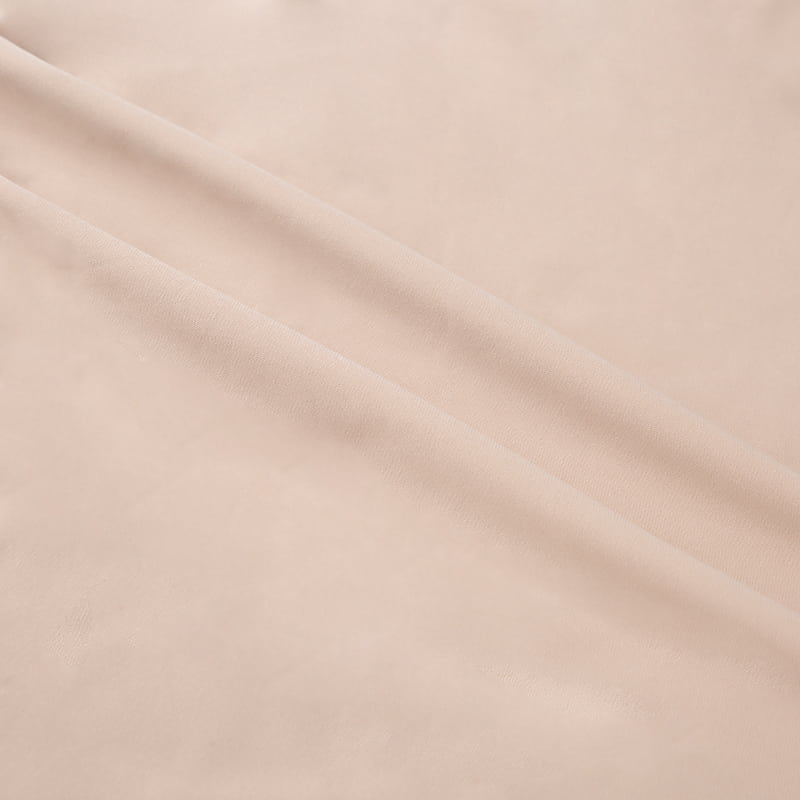
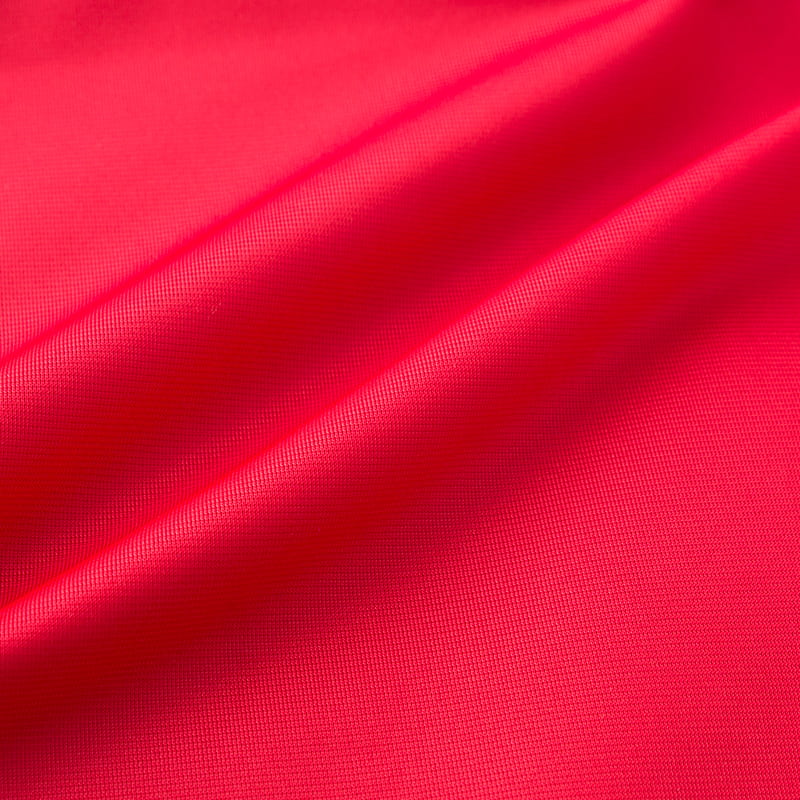
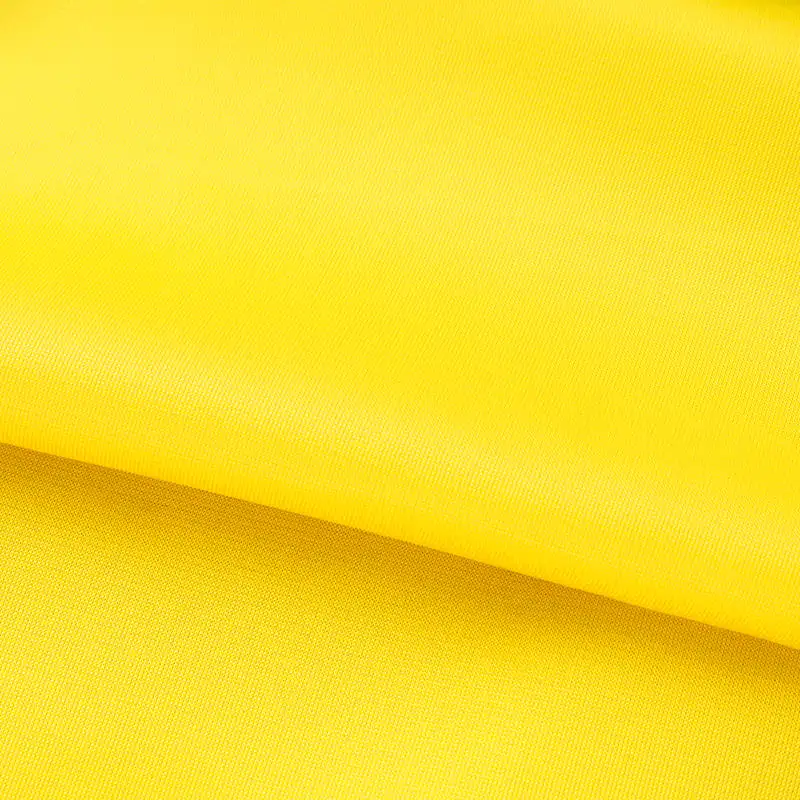
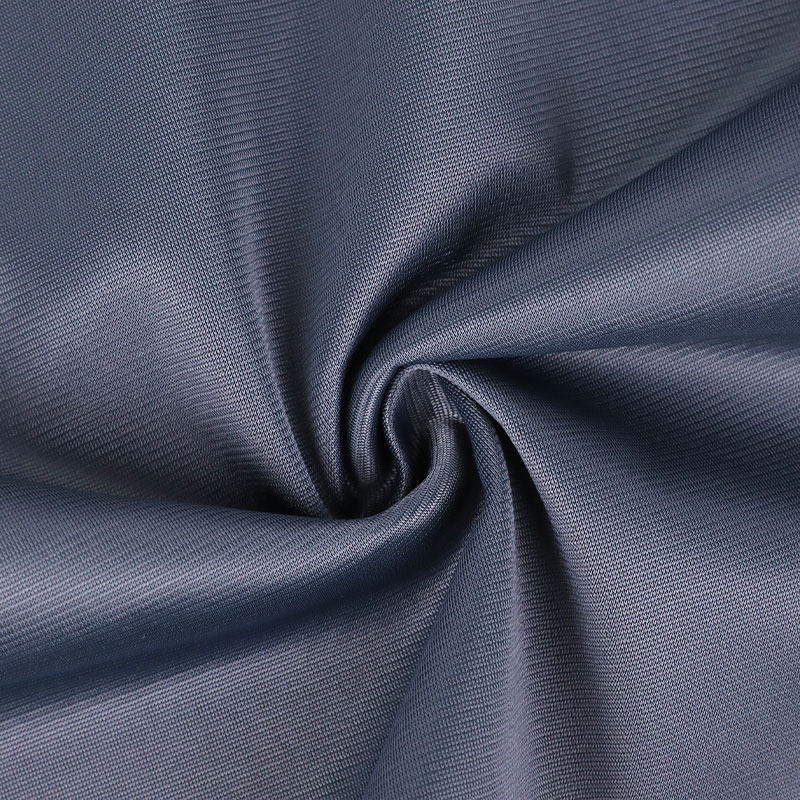
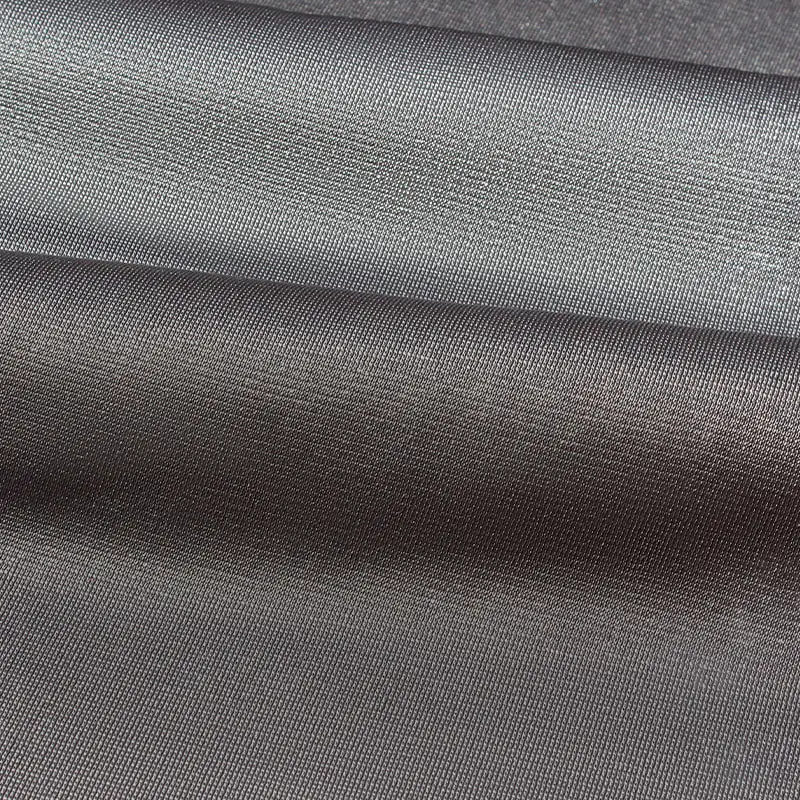
Mercerized Velvet Fabric is a warp-knitted polyester fabric with a smooth, lustrous surface that resembles the sheen of mercerized cotton. The name comes from the mercerization finishing process, in which the fabric surface is treated to produce a soft gloss and uniform light reflection. The result is a fabric that looks more refined than standard polyester velvet, with a silk-like visual quality and a smooth, dense pile feel.
Unlike natural velvet, which is woven from silk or cotton pile yarns, mercerized velvet fabric for wholesale garment production is made from 100% polyester filament yarn on warp knitting machines. This gives the fabric the durability, color consistency, and wash performance required for institutional and commercial garment programs, at a fraction of the cost of natural fiber velvet.
Mercerized velvet fabric is also referred to as tricot mercerized velvet or silky velvet fabric in some markets, though the construction and finishing process remain the same.
What Is Mercerized Velvet Fabric Used For?
The combination of a refined surface appearance, good drape, and strong wash durability makes Mercerized Velvet Fabric suitable across a broader range of applications than many buyers initially expect. The following are the most common end uses in B2B garment and textile production.
Women's Apparel and Fashion Tops
Mercerized velvet fabric is widely used in women's tops, blouses, dresses, and outerwear due to its soft texture and elegant surface gloss. The fabric drapes well over the body, holds its shape through repeated wearing and washing, and accepts dye in deep, rich colors that give finished garments a premium visual quality.
For women's apparel applications, the preferred weight range is 150gsm to 200gsm, which provides enough body for structured tops without feeling heavy. The mercerized surface finish gives the fabric a subtle sheen that reads as luxurious without the high cost of silk or rayon alternatives.
Sportswear and Training Jackets
In sportswear production, Mercerized Velvet Fabric is commonly used for the outer shell of training jackets, warm-up suits, and leisure athletic wear. Its smooth surface reduces wind resistance slightly compared to brushed or textured fabrics, and its polyester construction ensures the fabric remains lightweight and quick-drying.
The fabric is particularly popular for athletic leisure collections where a polished, stylish appearance is as important as functional performance. Brands supplying school athletic programs, club sportswear, and team leisure wear regularly specify mercerized velvet for jacket shells and tracksuit tops.
School Uniforms and Institutional Garments
Many school uniform programs, particularly in Southeast Asia, West Africa, and the Middle East, specify Mercerized Velvet Fabric for blazers, PE jackets, and formal uniform components where a neat, presentable appearance is required. The fabric's resistance to creasing and its ability to hold color through repeated institutional washing cycles make it a practical choice for uniform applications that demand consistent appearance over extended use.
Curtains, Drapes, and Window Treatments
Beyond garment production, mercerized velvet is used in home textile applications — particularly curtains and drapes where its soft surface texture and light-reflecting properties add a sense of depth and warmth to interior spaces. At heavier weights of 200gsm to 260gsm, the fabric provides moderate light blocking and thermal insulation when used as a curtain lining or standalone drape fabric.
Decorative Accessories and Trim
Lighter constructions of mercerized velvet fabric are used as decorative trim on jackets, bags, and accessories, where the contrast between the smooth velvet surface and other fabric textures adds visual interest. The fabric cuts cleanly and can be sewn without fraying issues when properly finished at the edges.
Sofa and Upholstery Fabric
Heavier mercerized velvet constructions at 240gsm to 280gsm are used in upholstery applications, particularly for sofa panels, chair seats, and decorative cushion covers. The fabric's smooth surface is easy to clean, resists light abrasion from everyday use, and maintains its appearance over time without the pilling issues common in lower-quality velvet constructions.
Key Properties of Mercerized Velvet Fabric
Understanding the performance properties of Mercerized Velvet Fabric helps buyers specify the right construction and evaluate whether a supplier's product meets the requirements for their intended application.
Surface Gloss and Appearance
The defining characteristic of mercerized velvet is its smooth, even surface sheen. High-quality mercerized velvet produced on precision warp knitting machines reflects light uniformly across the fabric surface, giving finished garments a consistent, premium visual appearance. Lower-quality constructions may show uneven pile density or irregular light reflection, which becomes apparent in finished garments under direct lighting.
Color Depth and Fastness
Polyester mercerized velvet fabric accepts disperse dye in deep, saturated colors. The dense pile structure holds significantly more dye than flat woven fabrics of equivalent weight, which is why mercerized velvet garments appear richer in color than equivalent plain polyester constructions. Color fastness ratings of Grade 4 or above are achievable with properly dyed fabric, ensuring garments retain their color depth through 30 or more standard wash cycles.
Drape and Hand Feel
The soft pile surface of mercerized velvet creates a smooth, fluid drape that makes the fabric comfortable to wear close to the skin. The hand feel is soft without being limp — the fabric has enough internal structure to hold a clean silhouette while remaining flexible and comfortable in motion.
Durability and Wash Performance
One of the practical advantages of polyester Mercerized Velvet Fabric over natural fiber velvet is its wash durability. Silk and cotton velvet fabrics require dry cleaning or delicate hand washing to maintain their pile structure. Polyester mercerized velvet can be machine washed at 30°C to 40°C with minimal pile distortion, making it practical for garment applications that undergo regular laundering.
Weight Range
Mercerized velvet fabric is available in a range of weights to suit different applications:
- 120gsm – 160gsm: Lightweight, used for linings, trim, and accessories
- 160gsm – 200gsm: Mid-weight, suitable for women's apparel, sportswear shells, and school uniforms
- 200gsm – 260gsm: Heavy weight, used for curtains, upholstery, and outerwear shells
Mercerized Velvet vs Strip Velvet vs Super Poly: What Is the Difference?
Buyers sourcing warp knitting fabrics from Chinese manufacturers frequently encounter these three fabric types on the same supplier's product list. Understanding how they differ prevents ordering the wrong fabric for the application.
Mercerized Velvet Fabric
Smooth, uniform surface with an all-over gloss finish. No visible pile direction or stripe pattern. Best for women's apparel, sportswear shells, and applications where a refined, polished surface is the priority.
Strip Velvet Fabric
Features a ribbed or striped pile structure with alternating raised and flat sections running along the fabric length. The stripe pattern is formed during the knitting process and does not require printing or embossing. Best for home textiles, outerwear with a textured aesthetic, and women's fashion where the strip pattern adds visual interest.
Super Poly Fabric
A flat, smooth warp-knitted fabric without a pile surface. Harder surface feel than mercerized velvet, with better dimensional stability and higher resistance to abrasion. Best for school uniforms, team sportswear, tracksuits, and sublimation printing applications where surface smoothness and print compatibility are more important than a soft velvet feel.
| Property | Mercerized Velvet | Strip Velvet | Super Poly |
|---|---|---|---|
| Surface | Smooth pile, all-over gloss | Ribbed pile, stripe pattern | Flat, no pile |
| Hand Feel | Soft, silky | Textured, structured | Firm, smooth |
| Typical Weight | 150 – 260gsm | 240 – 300gsm | 170 – 280gsm |
| Best Application | Women's apparel, sportswear | Home textiles, fashion | Uniforms, team jerseys |
| Sublimation Print | Limited | Not recommended | Excellent |
| Wash Durability | Very Good | Very Good | Excellent |
How to Source Mercerized Velvet Fabric from a Chinese Manufacturer
Sourcing Mercerized Velvet Fabric from a Chinese warp knitting factory requires attention to a few key factors that separate reliable production-ready suppliers from traders reselling fabric of unknown origin.
Verify the Manufacturing Equipment
Ask the supplier what knitting machines are used for mercerized velvet production. Manufacturers using Karl Mayer warp knitting machines from Germany consistently produce more uniform pile density, tighter dimensional tolerances, and better color consistency than those using lower-specification domestic machines. This directly affects the visual quality of the finished fabric under production lighting conditions.
Request Pre-Production Samples
Always request a sample cutting of at least 0.5 meters before confirming a bulk order. Check the pile surface under natural and artificial light for uniformity, rub the fabric surface gently to test pile stability, and wash the sample once at 40°C to assess dimensional change and pile distortion before committing to production.
Confirm GSM and Width Specifications in Writing
Mercerized velvet fabric is available across a wide weight range from different manufacturers. Confirm the exact GSM and fabric width in the purchase order to avoid receiving fabric that is lighter or narrower than specified. Most export orders from Chinese manufacturers are based on a 150cm finished width.
Check Minimum Order Quantities
Standard MOQs for solid color mercerized velvet fabric from established Chinese warp knitting manufacturers start from 500 meters per color. Custom colors require a lab dip approval process that adds 5 to 7 working days before bulk production, and typically require a minimum of 500 to 1000 meters per color depending on the supplier.
Frequently Asked Questions (FAQ)
Q: What is the difference between mercerized velvet fabric and regular polyester velvet?
A: Mercerized Velvet Fabric undergoes a finishing treatment that produces a smooth, lustrous pile surface with a more refined, silk-like appearance than standard polyester velvet. Regular polyester velvet typically has a softer, more matte pile that absorbs light rather than reflecting it. Mercerized velvet is preferred for applications where a polished, premium surface appearance is required, while standard polyester velvet is used where softness and a plush feel are more important than surface gloss.
Q: Is mercerized velvet fabric suitable for sublimation printing?
A: Mercerized velvet fabric has a limited surface area for sublimation dye bonding compared to flat polyester fabrics like Super Poly. While the fabric is made from 100% polyester and will accept sublimation ink, the pile structure can cause slight color inconsistency across the print surface. For programs requiring high-definition sublimation printing, flat warp-knitted fabrics such as Super Poly are recommended. For solid color programs and screen printing applications, mercerized velvet performs well.
Q: How do I prevent mercerized velvet fabric from crushing or losing its pile during storage and transport?
A: Mercerized velvet fabric should be rolled rather than folded for storage and transport to prevent permanent pile crushing. When fabric arrives on rolls, store it horizontally on a rack rather than stacked flat. If fold marks appear, light steaming at low temperature typically restores the pile structure without damaging the polyester fiber. Avoid prolonged direct pressure on the pile surface during storage.
Q: What is the standard color fastness rating for mercerized velvet fabric from Chinese manufacturers?
A: Reputable Mercerized Velvet Fabric manufacturers in China achieve color fastness ratings of Grade 4 or above to ISO 105-C06 washing standards and Grade 4 or above to ISO 105-B02 light fastness standards. These ratings indicate that the fabric color will remain stable through regular laundering and normal light exposure conditions. Request test reports from the manufacturer before placing a bulk order for any application with specific color fastness requirements.
Q: Can mercerized velvet fabric be used for sofa upholstery in high-traffic environments?
A: Mercerized Velvet Fabric at heavier weights of 220gsm and above is suitable for sofa upholstery in residential and light commercial settings. For high-traffic commercial environments such as hotel lobbies, hospitality seating, or public waiting areas, a reinforced construction with a higher abrasion resistance rating is recommended. Request the Martindale abrasion test result from the manufacturer — a rating of 20,000 cycles or above is generally considered suitable for light commercial upholstery use.
Contact us through hongjiantextile.com to request samples and discuss your production requirements.
Related Products: Strip Velvet Fabric | Super Poly Tricot Fabric | Imitation Cotton Velvet Fabric | Mercerized Plain Fabric