English
 Español
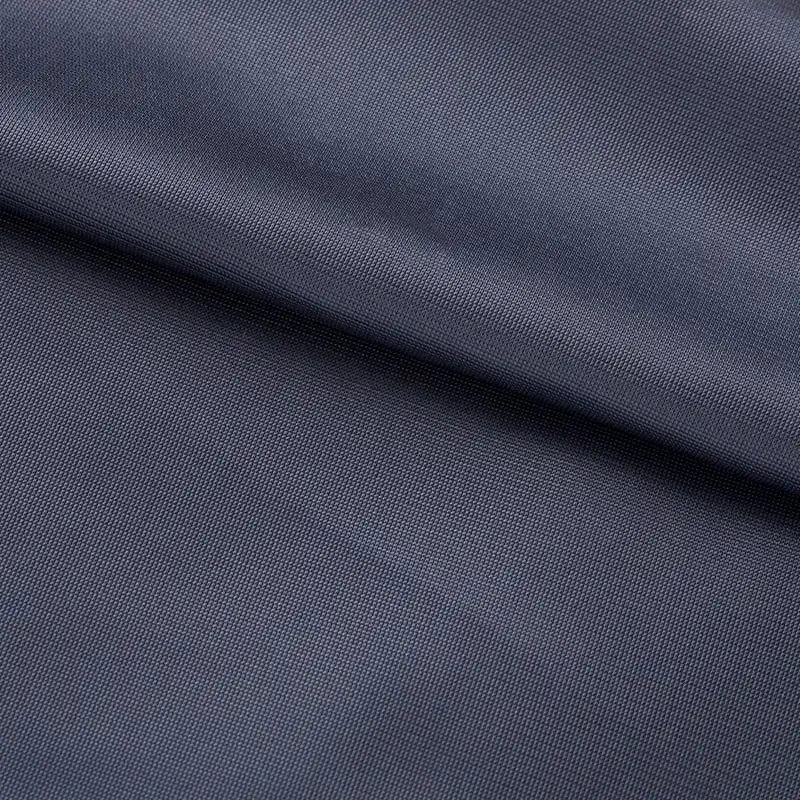
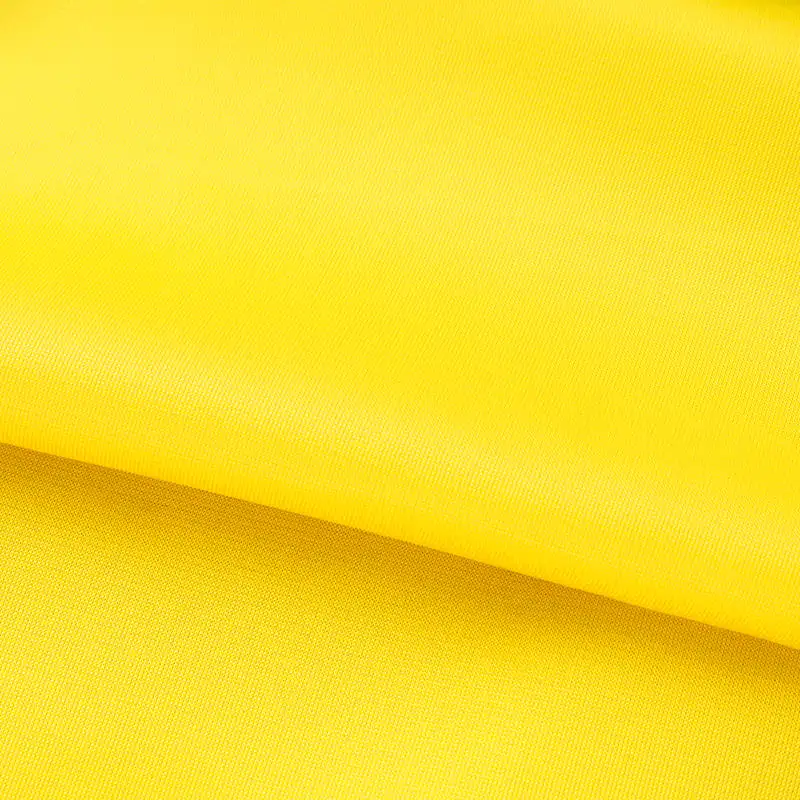
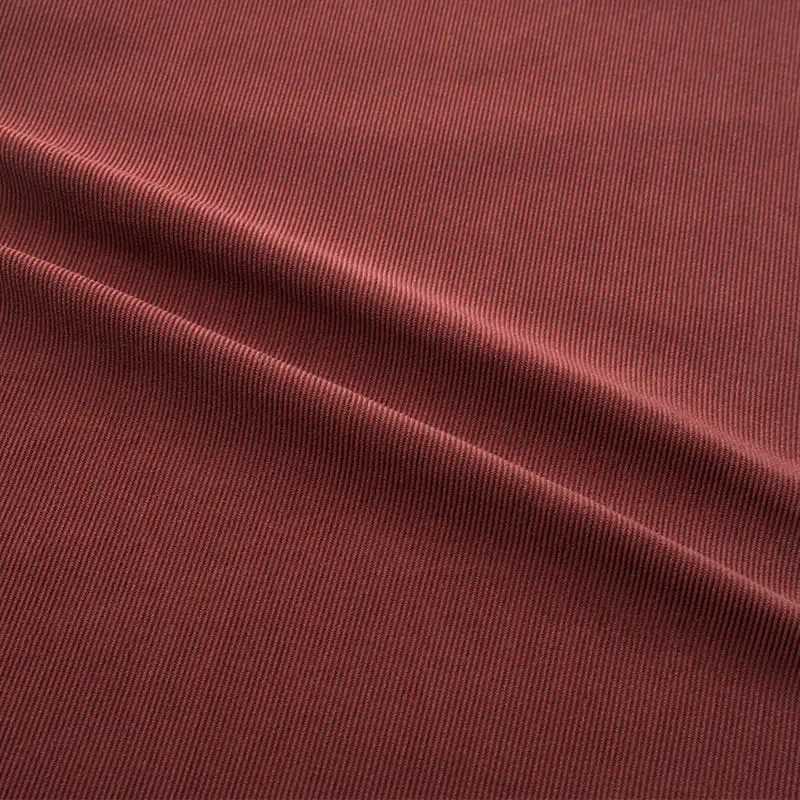
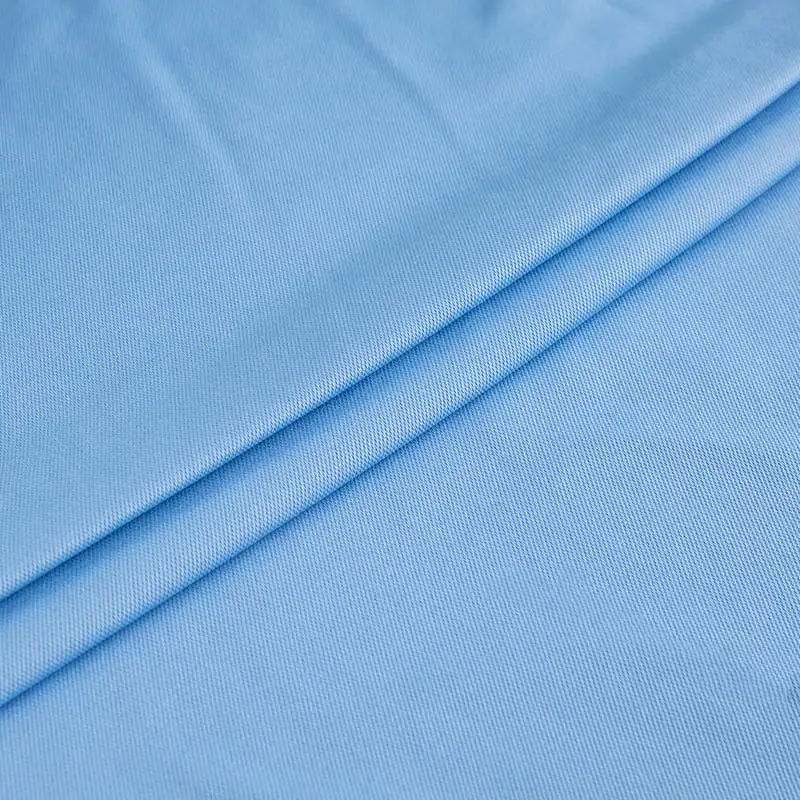
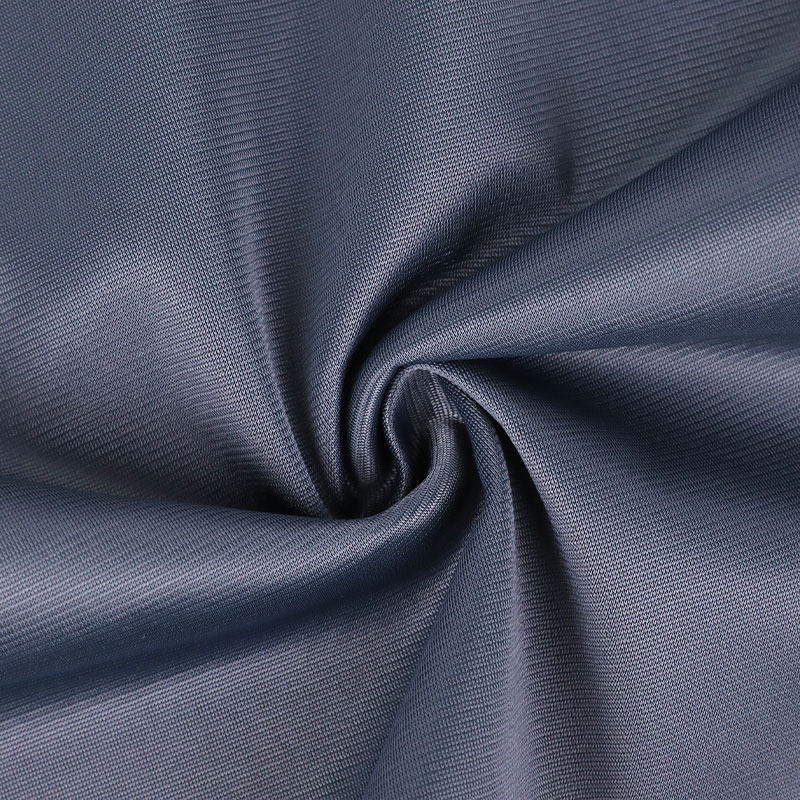
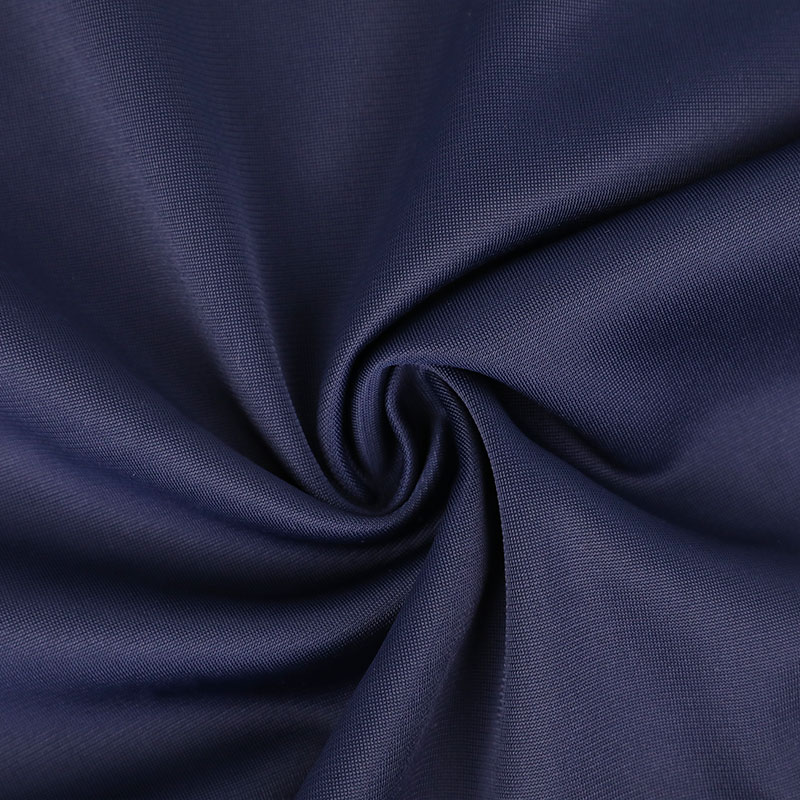
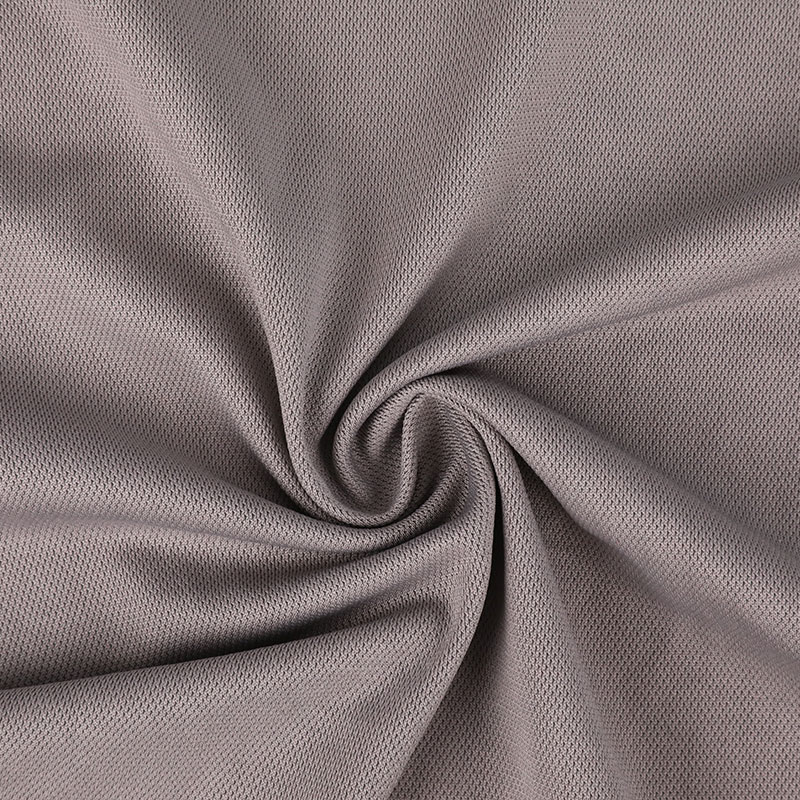
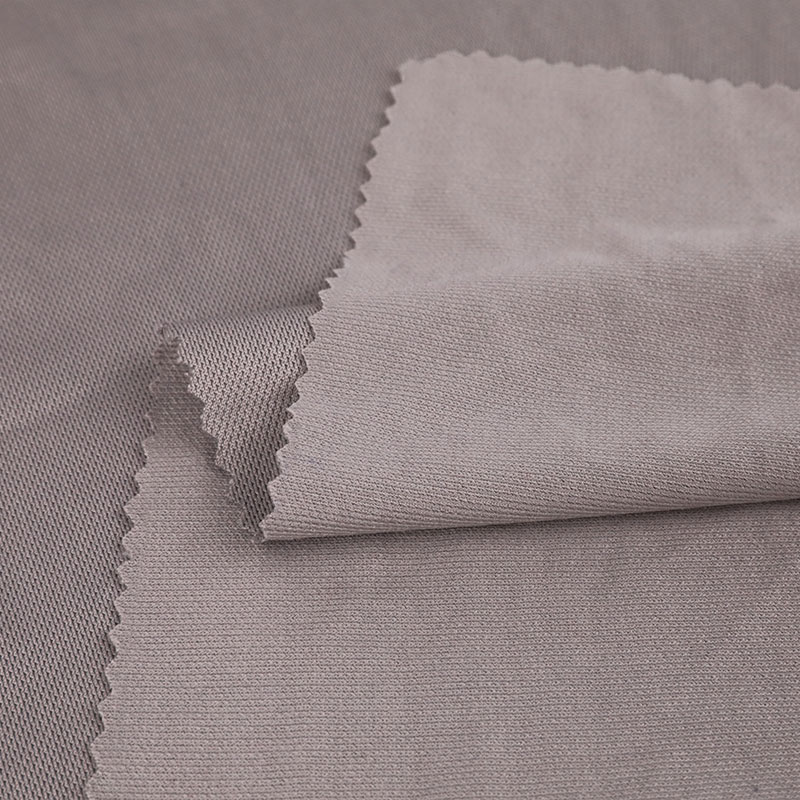
Brushed sportswear fabric is a high-performance textile specifically engineered for athletic and casual sportswear, with a soft brushed surface created through specialized mechanical processing. The core advantages of this fabric include exceptional softness, lightweight warmth, efficient moisture-wicking, four-way stretch, and durable wear resistance, making it irreplaceable in the sportswear industry.
Unlike ordinary sportswear materials, the brushed finish enhances skin comfort while retaining the functional properties required for physical activity. It performs excellently in both low-intensity daily activities and high-intensity professional sports, adapting to diverse scenarios such as fitness, running, outdoor training, yoga, and casual loungewear. This fabric balances comfort and functionality perfectly, meeting the strict demands of modern consumers for sportswear.
Manufacturing Process of Brushed Sportswear Fabric
Raw Material Selection and Blending
The production of high-quality brushed sportswear fabric starts with precise raw material selection. Most manufacturers use premium polyester fibers as the base material, paired with spandex to add elasticity. A small number of high-end products incorporate natural fibers such as cotton or modal to further boost skin-friendly properties. The blending ratio is carefully adjusted to ensure the fabric retains functionality while improving comfort.
The raw materials must meet strict quality standards: fibers need uniform thickness, high tensile strength, and good resilience. These characteristics lay the foundation for the fabric’s durability and stretch performance. Materials with poor quality cannot achieve a smooth, even brushed effect and are prone to pilling or deformation during use.
Key Brushing Processing Technology
Brushing is the core process that distinguishes this fabric from conventional sportswear textiles. Using professional brushing machines, fine metal rollers or sandpaper rollers gently scrape the fabric surface, pulling out short, soft fibers from the internal structure to form a delicate fleece layer. This step requires precise control of speed and pressure to avoid damaging the fabric’s base structure.
There are two main brushing methods: single-sided brushing and double-sided brushing. Single-sided brushed fabric has a smooth exterior and soft interior, ideal for close-fitting sportswear. Double-sided brushed fabric offers enhanced warmth and softness, suitable for cooler environments. After brushing, the fabric undergoes ironing and shaping to stabilize its structure and prevent fiber shedding.
Post-Finishing for Enhanced Performance
To elevate the fabric’s performance, professional post-finishing treatments are applied after brushing. Common treatments include moisture-wicking finishing, antistatic treatment, anti-pilling finishing, and color fixation. These treatments make the fabric more suitable for sports scenarios while extending its service life and maintaining color brightness.
Moisture-wicking finishing allows sweat to quickly transfer from the skin to the fabric surface and evaporate, keeping the body dry during exercise. Antistatic treatment prevents static buildup in dry environments, enhancing wearing comfort. Anti-pilling finishing reduces surface fuzz and pilling caused by friction, keeping the fabric smooth and aesthetically pleasing long-term.
Key Performance Advantages of Brushed Sportswear Fabric
Outstanding Softness and Skin-Friendly Comfort
The most intuitive advantage of brushed sportswear fabric is its ultra-soft touch. The brushed fleece layer creates a gentle contact surface with the skin, eliminating the stiff or rough feeling of traditional sportswear fabrics. Even for sensitive skin, this fabric causes no irritation or discomfort, making it perfect for long-term daily wear.
In practical tests, brushed sportswear fabric shows a 60% improvement in softness compared to unbrushed polyester sportswear fabric. This softness does not diminish after repeated washing, maintaining a comfortable tactile experience throughout the fabric’s lifespan. Whether for tight-fitting sportswear or loose casual sportswear, the fabric delivers consistent comfort.
Lightweight Thermal Retention
Brushed sportswear fabric provides reliable warmth without adding excess weight. The fine fleece layer traps stationary air, a natural thermal insulator, creating a warm barrier against low temperatures. This lightweight warmth is ideal for spring, autumn, and winter sports, avoiding the bulkiness of traditional thermal clothing.
Compared to cotton fabrics of the same thickness, brushed sportswear fabric offers 30% higher thermal efficiency while being 25% lighter. This allows athletes to move freely without restriction, maintaining body temperature stability during outdoor running, hiking, and training in cool conditions.
Efficient Moisture-Wicking and Breathability
High-quality brushed sportswear fabric retains excellent moisture-wicking and breathability despite its soft fleece layer. The fabric’s fiber structure quickly absorbs and disperses sweat, accelerating evaporation to keep the skin dry. This prevents the cold, sticky feeling caused by sweat accumulation during intense exercise.
Breathability testing confirms that the fabric maintains smooth air circulation, preventing stuffiness even during prolonged high-intensity activity. This balance of warmth, softness, and breathability makes it suitable for a full range of sports, from low-intensity yoga to high-intensity interval training.
Excellent Elasticity and Shape Retention
Most brushed sportswear fabrics are blended with spandex, providing four-way stretch that flexes with body movements without restriction. The fabric quickly rebounds to its original shape, resisting bagging, deformation, or loosening even after long-term stretching.
After 50+ washes and stretches, the fabric retains over 90% of its original elasticity and shape, far outperforming pure cotton or ordinary blended fabrics. This durability ensures sportswear maintains its fit and appearance for extended use.
Comparison Between Brushed Sportswear Fabric and Common Sportswear Materials
To better understand the unique value of brushed sportswear fabric, we compare it with three widely used sportswear materials: ordinary polyester fabric, pure cotton fabric, and nylon spandex fabric. The table below highlights core performance differences:
| Fabric Type | Softness | Moisture-Wicking | Thermal Performance | Shape Retention |
|---|---|---|---|---|
| Brushed Sportswear Fabric | Excellent | Excellent | Excellent | Excellent |
| Ordinary Polyester Fabric | Average | Good | Poor | Good |
| Pure Cotton Fabric | Good | Poor | Average | Poor |
| Nylon Spandex Fabric | Good | Excellent | Average | Excellent |
The data shows that brushed sportswear fabric is the only material with excellent ratings across all core performance metrics, outperforming other fabrics in overall practicality. Ordinary polyester lacks softness and warmth; pure cotton has poor moisture-wicking and shape retention; nylon spandex offers insufficient warmth for cool environments. Brushed fabric integrates all key sportswear requirements into one material.
Main Application Scenarios of Brushed Sportswear Fabric
Fitness and Gym Apparel
Brushed sportswear fabric is widely used in fitness wear such as leggings, sports tops, and jackets. Its four-way stretch supports squats, lifts, and stretches without restriction, while moisture-wicking properties keep wearers dry during workouts. The soft brushed interior prevents chafing during repetitive movements, making it a top choice for fitness enthusiasts.
Running and Outdoor Sports Wear
For running, hiking, and outdoor training, the fabric’s lightweight warmth protects against cool winds, while its breathability prevents overheating. Wind-resistant and moisture-wicking, it maintains body temperature balance during outdoor activities. Its lightweight design avoids weighing athletes down during long-distance runs or hikes.
Yoga and Pilates Wear
Yoga and Pilates demand ultra-soft, stretchy, and non-restrictive fabrics. Brushed sportswear fabric’s gentle skin contact and high elasticity accommodate all yoga poses, while its moisture-wicking properties handle light perspiration. Many professional yoga brands use double-sided brushed fabric for premium comfort.
Casual Sportswear and Loungewear
Beyond sports, the fabric is ideal for casual tracksuits, hoodies, and loungewear. Its softness rivals cotton, with better durability and shape retention. It transitions seamlessly from home relaxation to outdoor errands, combining comfort and style for daily wear.
Children’s Sportswear
Children’s sensitive skin and active lifestyles make brushed sportswear fabric an excellent choice. It is non-irritating, stretchable, warm, and easy to clean, meeting parents’ needs for safe, comfortable, and durable children’s sportswear.
Professional Care and Maintenance Tips for Brushed Sportswear Fabric
Daily Washing Guidelines
Proper washing extends the life of brushed sportswear fabric. Machine wash in cold or warm water (below 30°C); hot water damages fibers and causes shrinkage or deformation. Turn garments inside out before washing to protect the brushed surface and reduce pilling. Avoid mixing with rough fabrics like denim to prevent friction damage.
Use mild detergent instead of strong alkaline products, which break down functional fibers and reduce moisture-wicking performance. Never use fabric softener, as it coats fibers and impairs breathability and moisture-wicking capabilities.
Drying and Ironing Requirements
Air drying is the best method—hang garments in a ventilated area away from direct sunlight, which fades colors and damages fibers. If using a dryer, select low heat; high heat causes shrinkage and hardens the brushed fleece. Avoid wringing forcefully after washing to prevent deformation.
Brushed fabric rarely needs ironing. If necessary, use the lowest heat setting and place a cloth between the iron and fabric to avoid scorching the brushed surface. High-temperature ironing permanently damages the fleece layer and reduces softness.
Long-Term Storage Advice
Clean and completely dry garments before storage to prevent mold and odors. Fold neatly and store in a dry, ventilated closet; avoid hanging heavy items that stretch the fabric. For long-term storage, use breathable fabric bags instead of plastic sealed bags to maintain air circulation and fiber quality.
How to Select High-Quality Brushed Sportswear Fabric
Visual and Tactile Inspection
High-quality brushed sportswear fabric has a uniform, dense brushed layer with no obvious unevenness or bare spots. The surface is smooth and lint-free. Tactilely, it feels soft, delicate, and elastic—poor-quality fabric feels rough, thin, or has a sparse, clumpy brushed layer.
Elasticity and Resilience Test
Gently stretch the fabric: high-quality options rebound quickly without deformation. Low-elasticity fabrics bag easily and fail to support body movements. Qualified brushed sportswear fabric offers sufficient stretch for sports while maintaining shape.
Pilling and Shedding Resistance Check
Rub the fabric surface repeatedly: high-quality fabric shows minimal pilling or shedding. Excessive lint or pilling indicates poor craftsmanship and short service life. Reliable brushed fabric maintains its integrity after regular friction.
Functional Performance Verification
Test moisture-wicking by dripping water on the surface—high-quality fabric absorbs and spreads water quickly. Check breathability by blowing through the fabric; air should pass smoothly. These tests confirm the fabric meets sports performance requirements.
Future Development Trends of Brushed Sportswear Fabric
With the growth of the global sportswear market, brushed sportswear fabric is evolving toward greener, smarter, and more functional directions. Manufacturers are adopting recycled polyester fibers to reduce environmental impact, aligning with sustainable fashion trends.
Smart functional upgrades are underway, including antibacterial and odor-resistant treatments, UV protection, and quick-drying enhancements. These features expand its use in high-intensity sports and outdoor adventures. Technological advancements will enable finer brushed layers, lighter weight, and higher performance.
Personalized customization will grow, with fabrics tailored for specific sports (running, yoga, training) and consumer groups (adults, children, athletes). The fabric will also expand into outdoor gear, thermal underwear, and fashion sportswear, increasing its market share.
In summary, brushed sportswear fabric’s unique combination of comfort and performance ensures its long-term dominance in the sportswear textile industry. Continuous innovation will keep it adaptable to evolving consumer demands, solidifying its status as an essential material for modern sportswear.