English
 Español
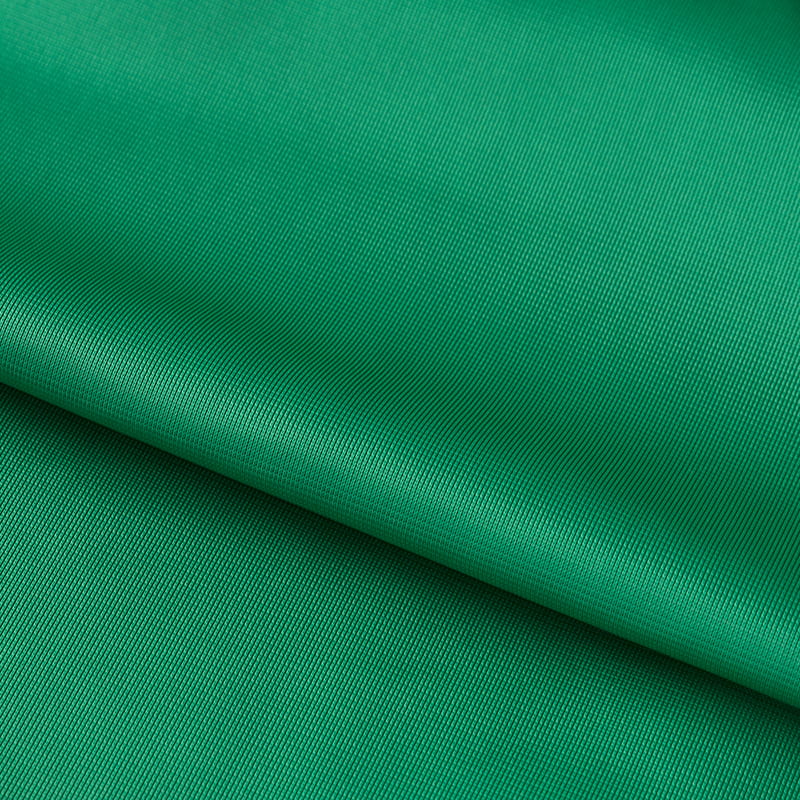
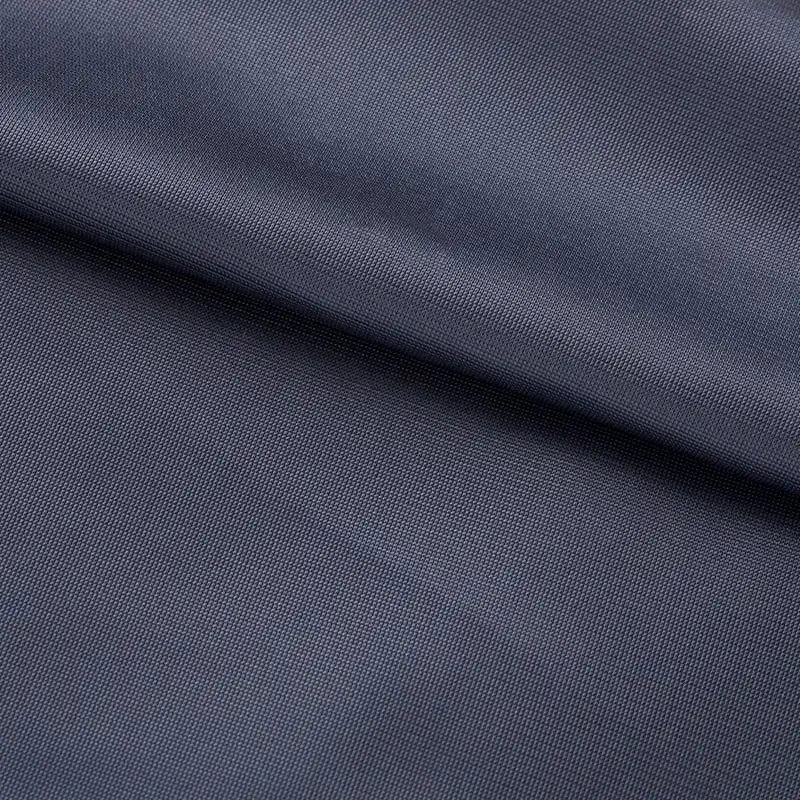
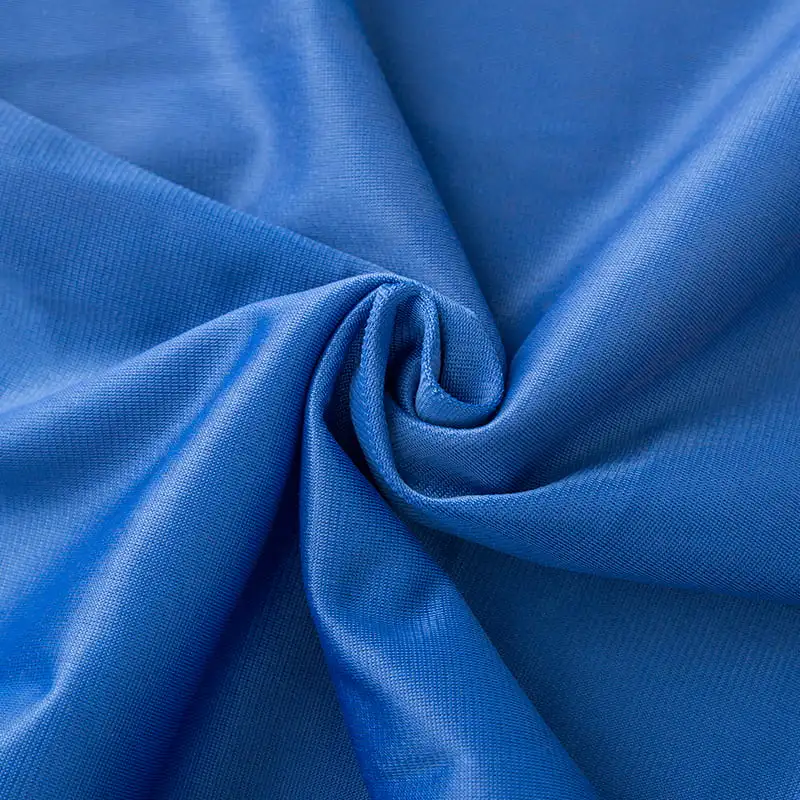
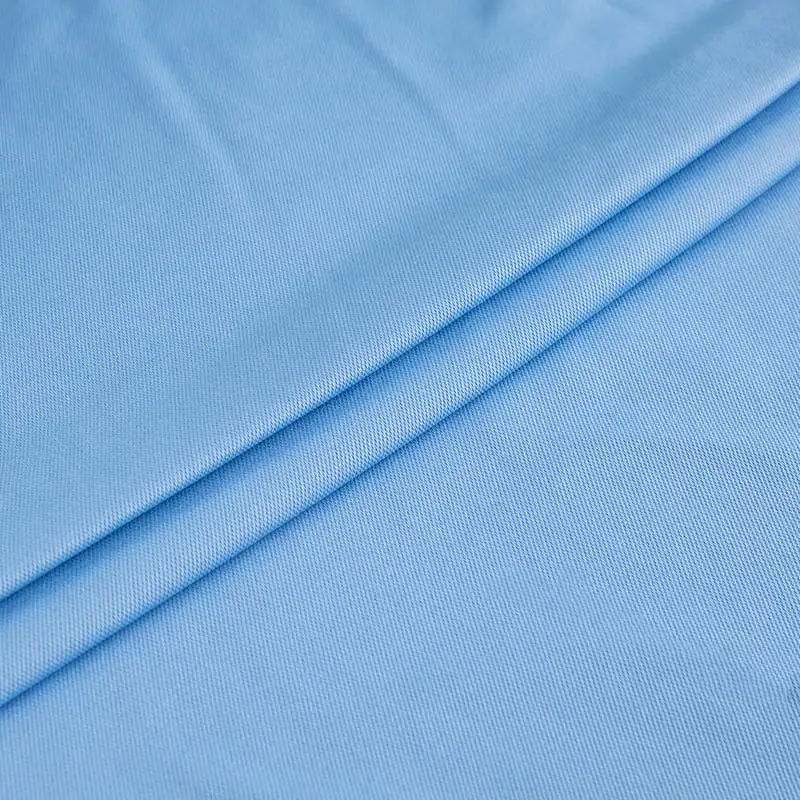
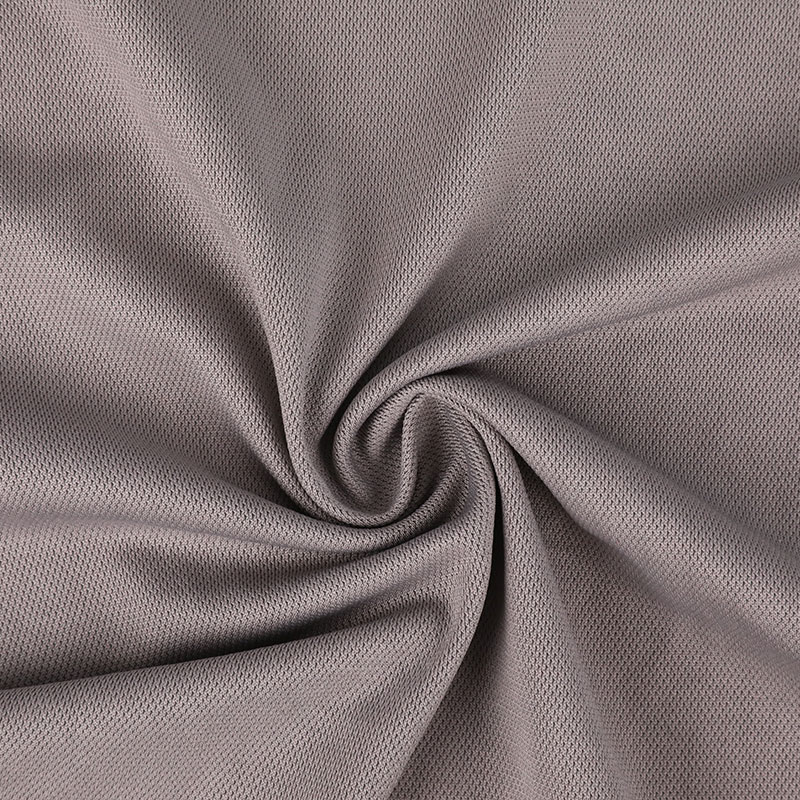
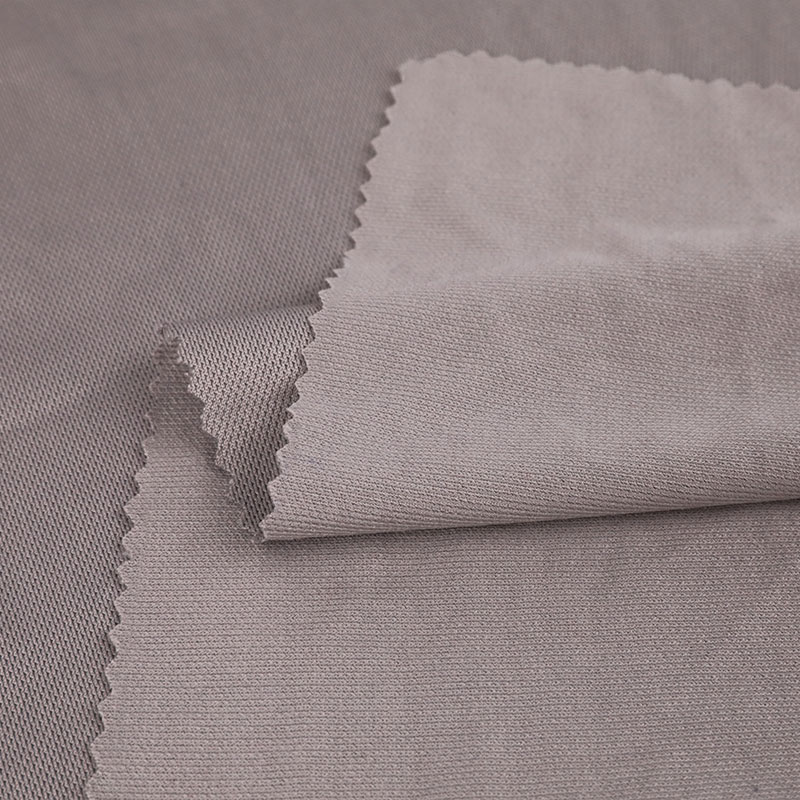
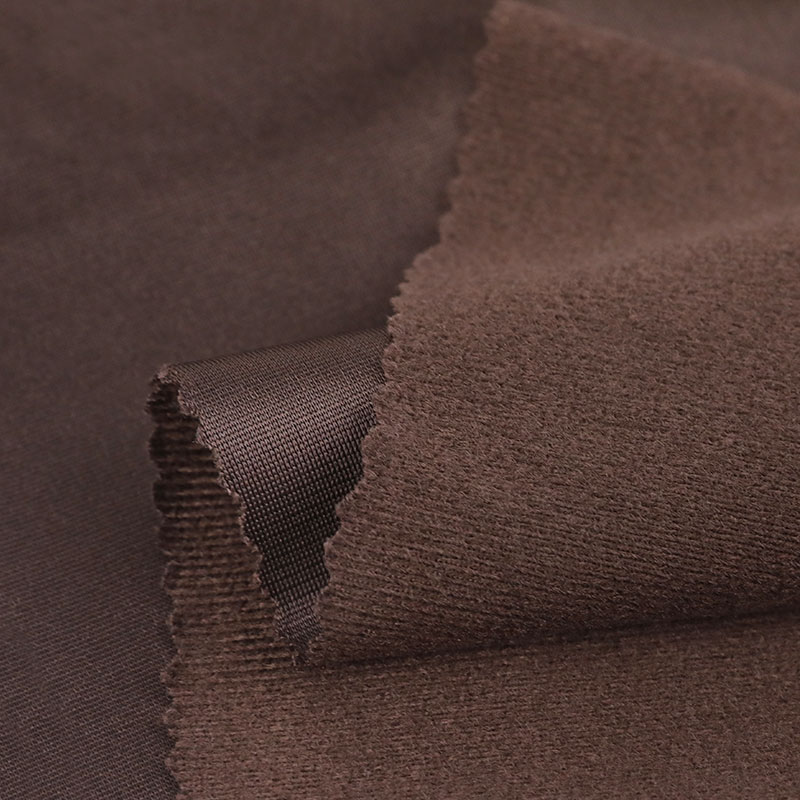
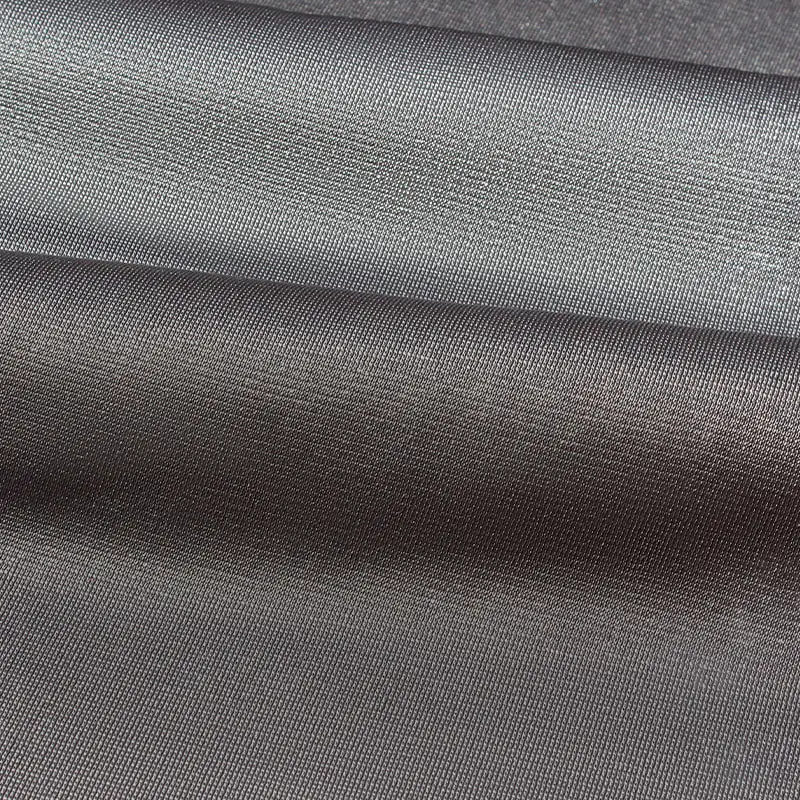
100% polyester fabric is a fully synthetic textile made from purified terephthalic acid and ethylene glycol, processed through polymerization and spinning. It stands out as one of the most widely used fabrics globally due to its excellent durability, wrinkle resistance, quick-drying performance, color fastness, and cost-effectiveness. Unlike blended fabrics, pure polyester retains all the inherent properties of synthetic fibers without being compromised by natural fiber components, making it suitable for clothing, home textiles, outdoor supplies, industrial materials, and other fields.
For daily consumers, the biggest value of 100% polyester lies in its low maintenance requirements – it does not shrink, deform, or fade after repeated washing and wearing, and can maintain a neat appearance without ironing. For industrial and commercial users, this fabric offers stable performance, strong weather resistance, and long service life, effectively reducing replacement and maintenance costs. In short, pure polyester is a practical, versatile, and reliable textile that meets the needs of most daily and professional scenarios.
Fundamental Physical and Chemical Properties of 100% Polyester Fabric
Mechanical Properties: High Strength and Tear Resistance
100% polyester fiber has outstanding mechanical properties, with a breaking strength higher than most natural fibers. Its dry-state strength is equivalent to high-strength cotton, and the wet strength does not decrease significantly, which is a huge advantage over cotton and wool fibers. This means pure polyester fabrics are not easy to break, tear or wear during use, and can withstand long-term friction and stretching.
The elasticity and elastic recovery rate of pure polyester are also top-tier among common textiles. It can quickly return to its original shape after stretching, and will not produce permanent creases even after long-term folding. This property determines that 100% polyester clothing always keeps a smooth and stylish look, eliminating the trouble of ironing for users.
Hygroscopicity and Quick-Drying Performance
As a synthetic fiber, 100% polyester has low moisture absorption, with a moisture regain rate far lower than that of natural fibers. This feature brings two-sided effects: on the one hand, the fabric does not absorb sweat and moisture when worn close to the body, making it more suitable for outerwear and sportswear; on the other hand, low moisture absorption endows the fabric with ultra-fast drying speed – it can dry completely in a short time after washing or getting wet by rain, far faster than cotton and linen fabrics.
This characteristic makes 100% polyester the preferred material for outdoor and sportswear. Even if you sweat a lot during exercise, the fabric will not stick to the skin, keeping the body dry and comfortable. In humid environments, pure polyester products are not prone to dampness and mildew, extending their service life.
Heat Resistance, Dimensional Stability, and Weather Resistance
100% polyester fabric has good heat resistance and can maintain stable performance within a conventional temperature range. It has excellent dimensional stability, no shrinkage, no deformation, and no loosening after high-temperature washing, drying, or daily use, which is difficult for natural fiber fabrics to achieve.
In terms of weather resistance, pure polyester performs excellently. It is resistant to sunlight, ultraviolet rays, and daily climate changes, and will not become brittle, discolored, or damaged after long-term outdoor exposure. This is why polyester is widely used in outdoor curtains, awnings, beach chairs and other products that need to withstand long-term outdoor use.
Chemical Stability and Corrosion Resistance
Pure polyester fabric has strong chemical stability, is resistant to common detergents, bleaches, and dry cleaning agents. It is not corroded by mold, moths and bacteria, and can be stored for a long time without deterioration. Compared with wool and silk, which are easily damaged by chemicals and microorganisms, 100% polyester has obvious advantages in storage and maintenance.
Comparison Between 100% Polyester and Other Common Fabrics
To better understand the characteristics of 100% polyester fabric, we compare it with natural fibers (cotton, linen, wool) and rayon, highlighting its unique advantages and applicable scenarios through intuitive data and performance differences.
| Fabric Type | Wrinkle Resistance | Drying Speed | Shrinkage Rate | Wear Resistance |
|---|---|---|---|---|
| 100% Polyester | Excellent | Ultra-fast | Extremely Low | High |
| Cotton | Poor | Slow | High | Medium |
| Wool | Medium | Medium | Medium | Low |
| Linen | Very Poor | Fast | High | Medium |
Key Differences in Practical Application
- 100% polyester is far superior to natural fibers in wrinkle resistance, suitable for business wear and travel clothing that requires a neat look
- The drying speed of pure polyester is 3-5 times faster than cotton fabric, which is more suitable for quick-drying clothing and outdoor products
- Polyester has almost no shrinkage after washing, while cotton and linen fabrics may shrink by a noticeable margin
- Wear-resistant performance makes polyester fabrics last longer, reducing the frequency of replacement
It should be emphasized that 100% polyester is not inferior to natural fibers, but has different positioning. Natural fibers excel in breathability and skin-friendliness, while pure polyester dominates in durability, convenience and functionality, forming a complementary relationship rather than a competitive one.
Main Application Scenarios of 100% Polyester Fabric
Apparel and Fashion Field
100% polyester is one of the most widely used fabrics in the apparel industry, covering sportswear, casual wear, business wear, outerwear, lining and other categories. Sportswear made of pure polyester uses lightweight and breathable processing technology to quickly wick away sweat and keep the body dry during exercise, which is the first choice for fitness, running and outdoor sports.
Business shirts and formal wear made of 100% polyester have excellent wrinkle resistance, maintaining a neat and elegant appearance throughout the day without ironing. Jackets, windbreakers and down jacket linings also use pure polyester widely, relying on its windproof, warm and lightweight properties. In addition, polyester is the main raw material for scarves, ties and other accessories, with bright colors and not easy to deform.
Home Textile Products
Home textiles are another major application field of 100% polyester fabric, including bed sheets, duvet covers, curtains, sofa covers, carpets and cushion covers. Polyester curtains have excellent light blocking and UV protection effects, and do not fade or deform after long-term sunlight exposure. Sofa covers and cushion covers are wear-resistant and stain-resistant, easy to clean, and suitable for families with children and pets.
Polyester bedding is affordable, durable, and available in a variety of colors and patterns, meeting the decorative needs of different home styles. It does not attract mites and mold easily, making it suitable for people with sensitive skin and respiratory sensitivities.
Outdoor and Industrial Materials
Thanks to its weather resistance and high strength, 100% polyester is widely used in outdoor products such as awnings, beach umbrellas, tents, backpacks and outdoor furniture. These products can withstand wind, rain and sunlight for a long time without damage, with a service life far exceeding natural fiber products.
In the industrial field, pure polyester is processed into filter cloth, conveyor belts, safety ropes, automotive interiors and other products. Its stable chemical properties and high mechanical strength meet the strict requirements of industrial production, making it an irreplaceable synthetic textile material.
Other Daily and Commercial Uses
- Luggage and bag fabrics: wear-resistant, scratch-resistant and waterproof, protecting internal items effectively
- Stage and decorative fabrics: bright colors, good drape, suitable for stage curtains and event decorations
- Medical and cleaning supplies: disposable and reusable products, with good barrier and cleaning performance
Professional Care and Maintenance Guide for 100% Polyester Fabric
Washing Methods and Precautions
100% polyester fabric is very easy to clean, supporting both machine washing and hand washing. It is recommended to use warm or cold water below 40°C for washing, avoid high-temperature water to prevent fiber damage. Conventional neutral or weak alkaline laundry detergent can be used, and bleach should be avoided to prevent discoloration and fiber embrittlement.
For machine washing, choose a gentle or standard mode, and avoid strong stirring and dehydration to reduce the generation of static electricity. Dark and light-colored polyester products should be washed separately to prevent color cross-dyeing. Stubborn stains can be pre-treated with a stain remover, gently rubbed and then washed normally.
Drying and Ironing Tips
Pure polyester fabric has quick-drying properties, and can be air-dried naturally in a ventilated place, or dried at low temperature in a dryer. Do not expose it to strong sunlight for a long time, although it has light resistance, long-term exposure will still affect the color brightness.
Ironing is almost unnecessary for 100% polyester clothing. If ironing is needed, use the lowest temperature setting of the iron and place a layer of cotton cloth between the iron and the fabric to avoid high-temperature melting or damaging the fiber. Do not stay in the same position for too long during ironing to prevent shiny marks on the fabric surface.
Static Elimination and Daily Storage
100% polyester is prone to static electricity in dry environments, which can adsorb dust. You can add an anti-static agent during washing, or wipe the fabric surface with a wet towel to eliminate static electricity. When storing, keep it in a dry and ventilated closet, away from damp and high-temperature environments.
Polyester products do not need special pest control measures, as they are not corroded by moths and mold. Fold or hang them neatly, and avoid heavy pressure for a long time to prevent permanent creases.
Common Misunderstandings About 100% Polyester Fabric
Myth 1: Polyester Fabric is Unbreathable and Uncomfortable
This is a stereotype of traditional polyester. Modern 100% polyester fabric adopts advanced weaving and finishing technologies such as mesh structure, moisture-wicking treatment and hollow fiber design, which greatly improve air permeability and moisture conductivity. High-quality polyester sportswear has better breathability and dryness than cotton fabrics in exercise scenarios, and will not stick to the skin even with a lot of sweat.
Myth 2: Polyester Fabric is Low-Grade and Not Worth Buying
The quality of fabric is not determined by natural or synthetic attributes. High-performance 100% polyester has complex production technology and excellent performance, and its cost and practical value are higher than many natural fibers. Professional outdoor sportswear, medical textiles and industrial materials mostly use high-grade polyester, which is a high-value functional fabric.
Myth 3: Polyester Fabric is Not Environmentally Friendly
Traditional polyester is made from petroleum-based raw materials, but recycled 100% polyester made from recycled plastic bottles has been widely used, realizing resource recycling. Modern polyester production processes have significantly reduced energy consumption and emissions, and its long service life also reduces textile waste, making it an environmentally friendly choice in the long run.
Myth 4: Blended Fabrics are Better Than Pure Polyester
Blended fabrics combine the advantages of different fibers, but pure polyester retains all the properties of synthetic fibers. For scenarios requiring high wrinkle resistance, quick-drying and durability, 100% polyester is far better than blended fabrics. The choice between pure polyester and blended fabrics depends on specific usage needs, not a one-size-fits-all superiority.
How to Choose High-Quality 100% Polyester Products
Check Fabric Labels and Ingredients
When purchasing polyester products, first check the label to confirm it is 100% polyester and exclude blended fabrics. Regular products clearly mark the fiber composition and ratio, ensuring you get pure polyester textiles with stable performance.
Evaluate Hand Feel, Craftsmanship and Appearance
High-quality 100% polyester fabric has a smooth and soft hand feel, uniform thickness, no rough or hard spots. The sewing is neat, with no loose threads or skipped stitches. The color is uniform and bright, no color difference or fading marks. Good polyester fabric has moderate drape, not too stiff or too soft.
Select According to Usage Scenarios
- For sportswear: choose lightweight, moisture-wicking and breathable polyester fabrics
- For home curtains: choose thickened, light-blocking and UV-resistant polyester materials
- For business wear: choose smooth, wrinkle-resistant and shape-retaining pure polyester
- For outdoor products: choose wear-resistant, weatherproof and tear-resistant polyester fabrics
Prioritize Products with Functional Treatments
High-quality 100% polyester products often have functional treatments such as anti-static, stain-resistant, anti-UV and antibacterial properties. These functional treatments enhance the practicality of the fabric and bring a better user experience. Choose functional polyester products according to your daily needs to maximize the value of the fabric.
Future Development Trends of 100% Polyester Fabric
With the development of textile technology, 100% polyester fabric is constantly upgrading and innovating. The most prominent trend is the large-scale application of recycled polyester, which uses recycled plastic bottles and waste textiles as raw materials, reducing petroleum consumption and environmental pollution. Recycled pure polyester has the same performance as virgin polyester, and will become the mainstream of the market in the future.
In terms of functional innovation, polyester fibers are developing in the direction of intelligence, such as temperature-regulating polyester, antibacterial and antiviral polyester, and shape-memory polyester. These new functional fabrics expand the application scenarios of pure polyester to medical, aerospace, smart wear and other high-tech fields.
In terms of production technology, the polyester production process is developing towards low energy consumption, low emissions and high efficiency. The fabric hand feel and comfort are further improved, breaking the traditional limitations of synthetic fibers and bringing a better experience to consumers.
In the global textile market, 100% polyester will maintain its dominant position due to its versatility, practicality and sustainability. It will continue to meet the needs of daily life, industrial production and technological innovation, and become an indispensable and important textile material.