English
 Español
Core Conclusion of Tricot Fabric
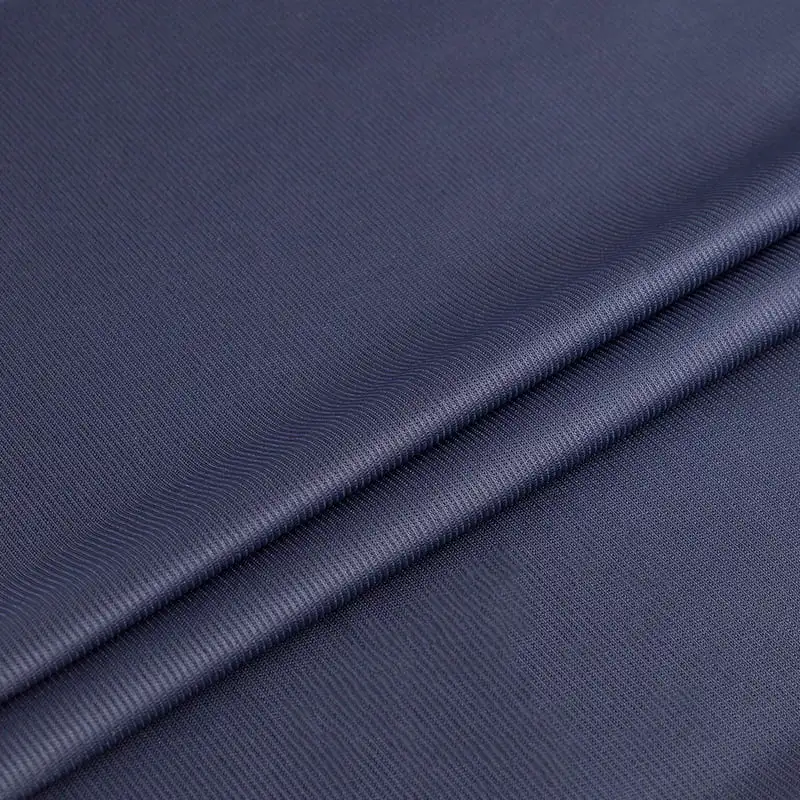
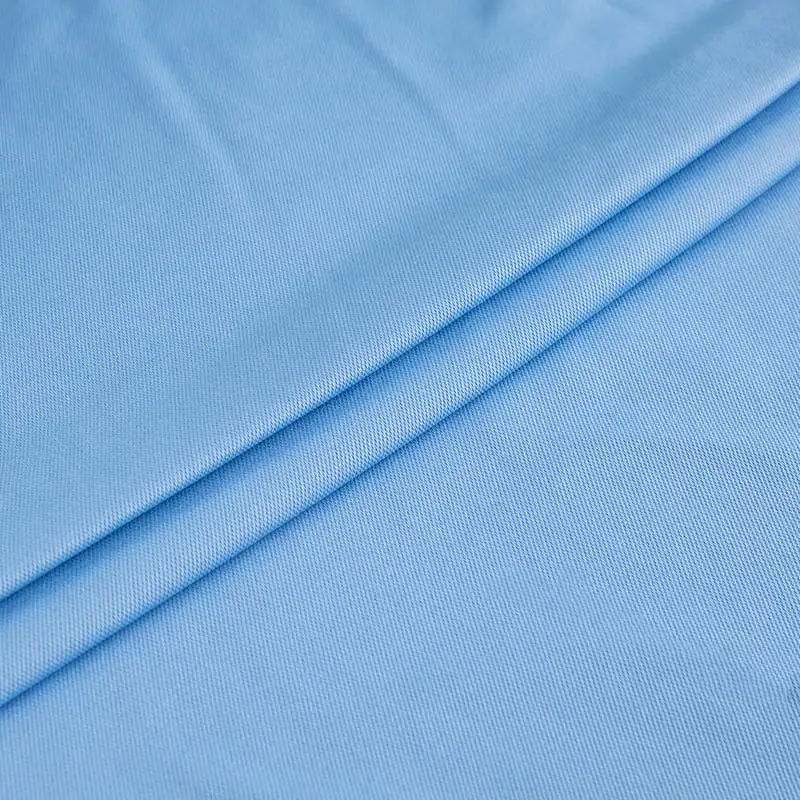
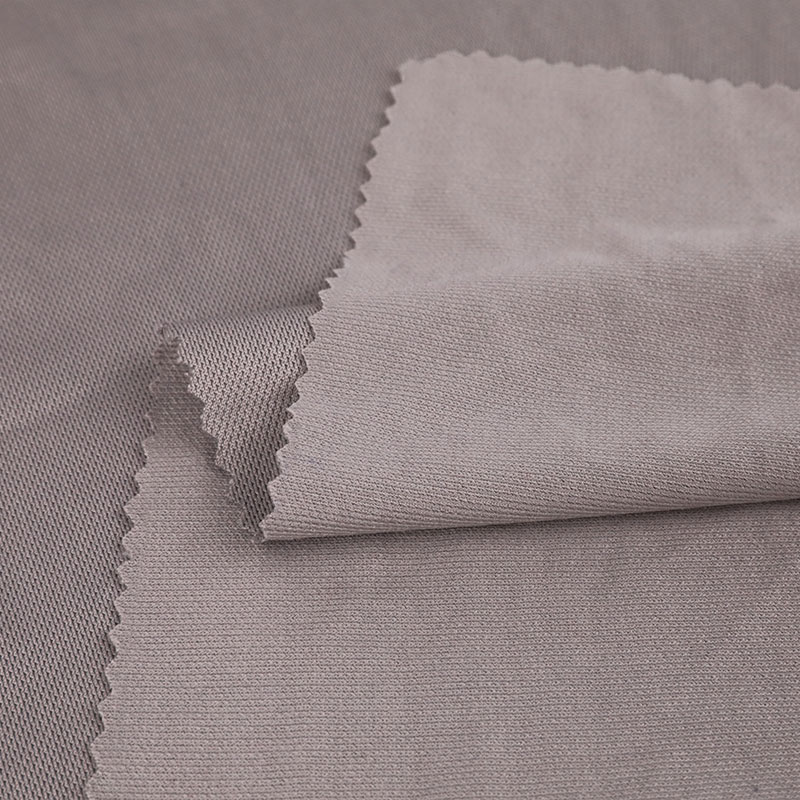
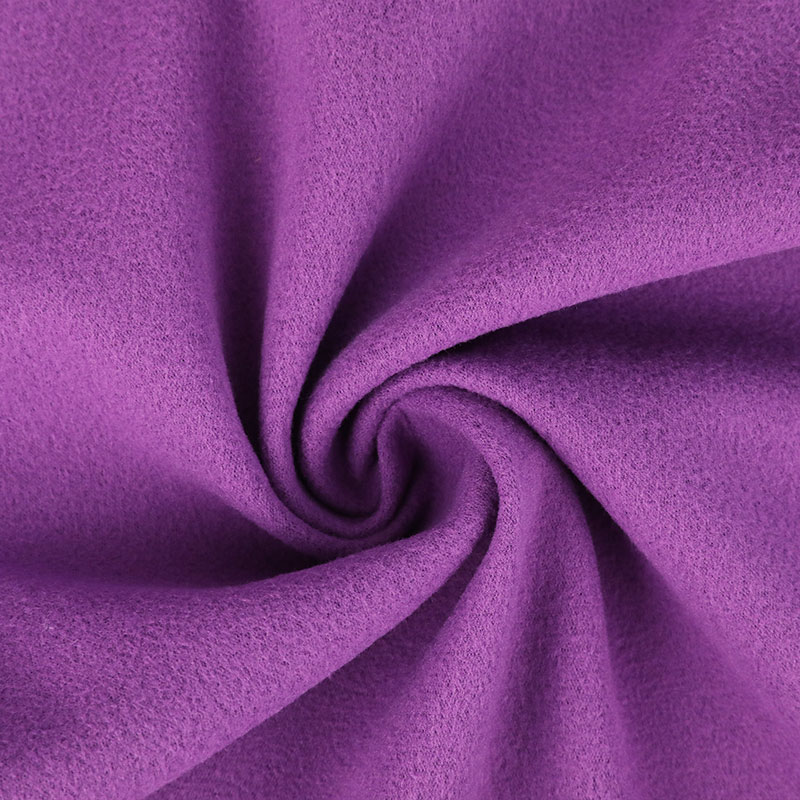
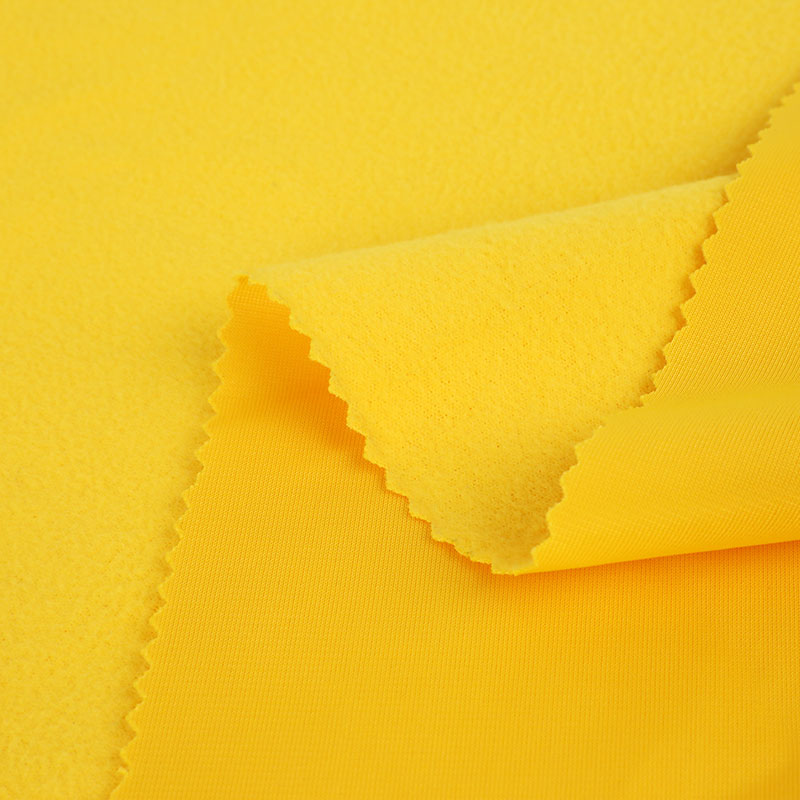
Tricot fabric is a warp-knitted textile distinguished by vertical ribbed surfaces, exceptional dimensional stability, and resistance to runs. With a 90%+ application rate in intimate apparel, sportswear, and automotive textiles, it is the most widely used warp-knitted fabric in the global textile industry.
Fundamental Characteristics of Tricot Fabric
Physical & Structural Features
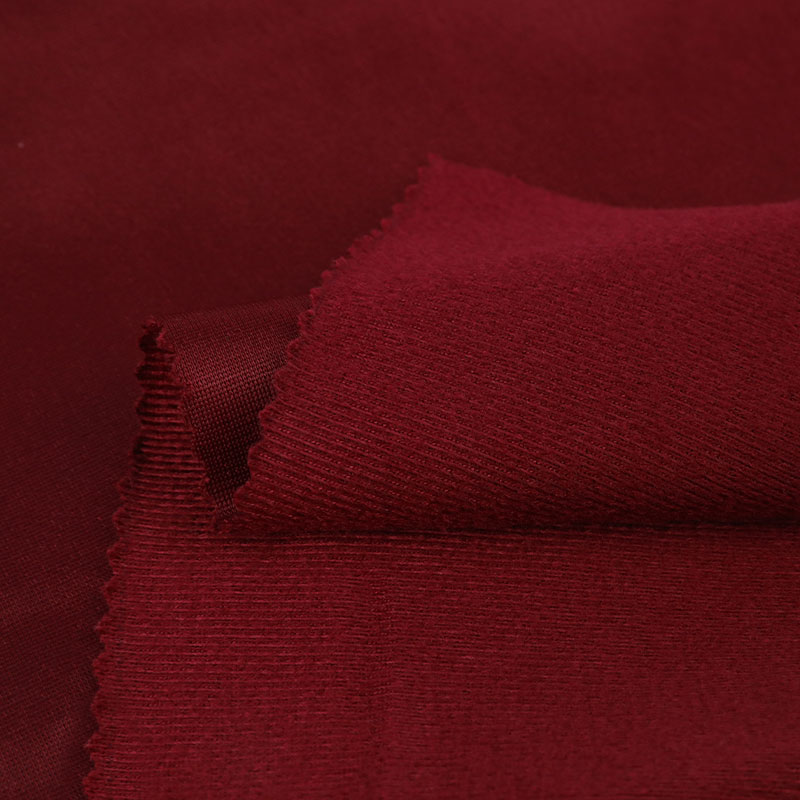
Tricot is produced via warp knitting technology, forming fine vertical ribs on the face and horizontal wales on the back. Its tight interloop structure delivers less than 3% longitudinal shrinkage after 5 home washing cycles, far superior to weft-knitted fabrics.
- Lightweight with high tensile strength, supports 20–50 kg tensile load per 5cm width
- Anti-run property: broken loops do not spread across the fabric
- Smooth handfeel, excellent drapability, and quick-drying performance
Performance Advantages
Compared with conventional knitted fabrics, tricot offers balanced comfort and durability, making it ideal for daily and industrial use.
Common Fiber Compositions & Performance Data
Tricot fabric is commonly blended with synthetic and functional fibers. The table below lists mainstream compositions and their core performance indicators:
| Fiber Composition | Shrinkage Rate | Moisture Wicking Speed | Typical Application |
|---|---|---|---|
| 100% Polyester | 2.8% | 12s/cm | Sportswear, Lining |
| Nylon Spandex (80/20) | 2.2% | 9s/cm | Lingerie, Shapewear |
| Polyester Cotton (65/35) | 3.5% | 18s/cm | Casual Wear, Home Textile |
Practical Applications of Tricot Fabric
Tricot fabric’s stable structure and customizable performance support diversified end-use scenarios across apparel, industrial, and automotive sectors:
Apparel & Fashion
- Intimate apparel: bras, shapewear, underwear (occupies 65% of tricot output)
- Sportswear: yoga pants, sports jerseys, quick-drying sports shirts
- Garment lining: suits, jackets, dresses, and outerwear
Industrial & Automotive Uses
Automotive tricot fabrics feature UV resistance and color fastness ≥4 grades, widely used in car seat covers, door panels, and sun visors. Medical tricot provides hypoallergenic, breathable materials for bandages and support braces.
Care & Maintenance Guidelines for Tricot Fabric
Proper care extends the service life of tricot products by 3–5 years while maintaining appearance and performance:
- Wash at water temperature ≤30°C, avoid high-temperature soaking
- Use neutral detergent; do not bleach or use strong alkaline cleaners
- Tumble dry on low heat or air dry; avoid direct sunlight exposure
- Iron at low temperature (≤110°C) with a press cloth to prevent fabric melting
Tricot vs. Weft-Knitted Fabrics: Core Differences
Tricot (warp-knitted) outperforms traditional weft-knitted fabrics in dimensional stability and anti-run performance, making it the first choice for structured apparel:
- Dimensional stability: Tricot 97%, Weft-knit 85%
- Anti-run performance: Tricot is run-proof; weft-knit runs easily
- Production efficiency: Tricot knitting speed reaches 1800 rpm, 30% faster than weft knitting