English
 Español
Golden Velvet Fabric Delivers Unmatched Visual Depth and Tactile Luxury
Golden velvet fabric is a specialized textile that combines the rich light-trapping properties of traditional velvet with the warmth and opulence of gold-toned yarns or dyes. The primary conclusion is that golden velvet serves as a transformative material, instantly elevating the perceived value and aesthetic depth of any space or garment it touches. Because of its unique pile structure, it reflects light differently depending on the angle, creating a dynamic visual effect that flat textiles simply cannot achieve. This makes it an ideal choice for statement pieces where visual impact is the priority.
The Structural Characteristics Behind the Sheen
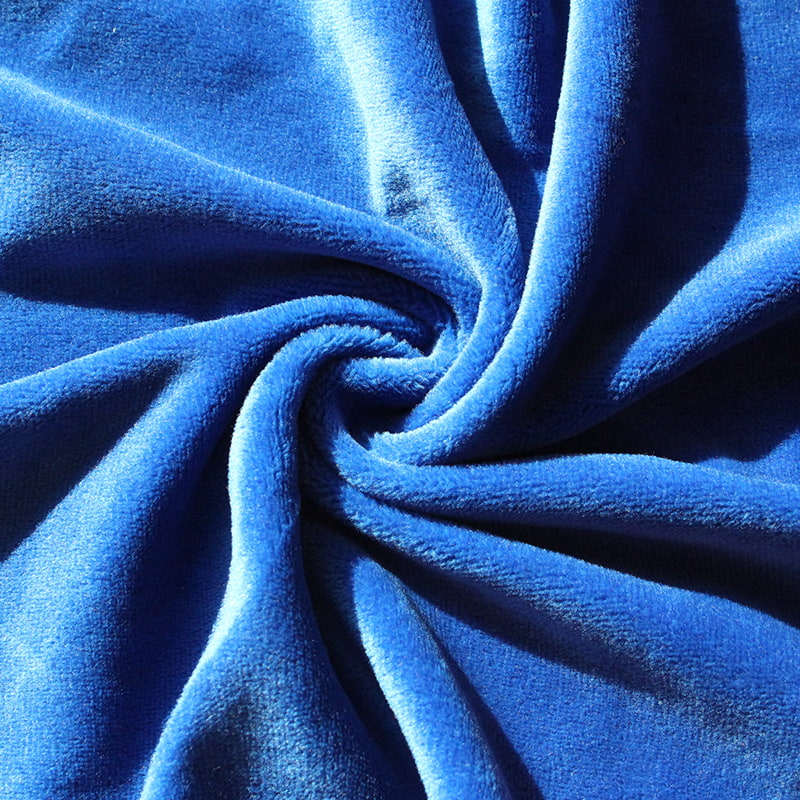
To understand why golden velvet is so visually striking, one must look at how it is constructed. Velvet is characterized by a dense, evenly cut pile of upright fibers. When these fibers are woven using gold or yellow-dyed threads, the way they catch and scatter light changes dramatically compared to standard fabrics.
Pile Direction and Light Reflection
Every velvet fabric has a "pile direction." When you run your hand over golden velvet, the fibers lean in one direction. When the fibers lean away from the light source, the fabric appears deeper and darker. When they lean toward the light, the golden hue becomes incredibly vibrant and reflective. This directional shading effect means a single piece of golden velvet can look like two completely different shades of gold depending on the viewing angle.
Weave Methods
The quality of golden velvet heavily depends on the weaving technique. The two most common methods are:
- Double-cloth weaving: Two layers of fabric are woven simultaneously and then cut apart, creating exceptionally strong and uniform pile.
- Wire-weaving: Loops are formed over wires and then cut. This is often used for patterned golden velvets where specific designs are raised.
Material Composition Variations
Not all golden velvet is created equal. The base fibers used to create the pile dictate the fabric's durability, texture, and practical application. Choosing the right composition is a critical step in any design project.
| Material Type | Texture and Feel | Best Application |
|---|---|---|
| Silk Blend | Ultra-soft, fluid, high sheen | Evening wear, decorative pillows |
| Synthetic (Polyester) | Stiff, highly durable, bright color | Theater drapes, heavy-use upholstery |
| Cotton | Matte finish, breathable, slightly heavy | Tailored jackets, casual home decor |
Synthetic golden velvet is the most practical choice for high-traffic areas, as it resists crushing and fading much better than natural fibers. Silk blends should be reserved for low-contact applications where luxury is the primary goal.
Practical Applications in Interior Design
In interior spaces, golden velvet acts as a strong design anchor. It naturally draws the eye, so it must be used with intention to avoid overwhelming a room. The most successful applications treat the fabric as a focal point rather than a background material.
Upholstery and Accent Furniture
A single chair or a small ottoman covered in golden velvet can define an entire seating area. When paired with dark, matte surfaces like charcoal linen or deep walnut wood, the golden tones pop without feeling garish. It is highly recommended to use golden velvet on pieces that have clean, simple lines, allowing the texture of the fabric to provide all the necessary visual interest.
Window Treatments
Golden velvet curtains serve a dual purpose. Visually, they frame a window with a sense of grandeur. Functionally, the dense pile acts as an excellent insulator and light blocker. Velvet curtains can block out a significant amount of ambient light and help regulate room temperature, making them as functional as they are beautiful.
Usage in Fashion and Apparel
Golden velvet carries a heavy historical association with royalty and ceremony, which makes it a powerful tool in fashion design. However, modern styling requires balancing this inherent formality to keep the look contemporary.
Evening and Formal Wear
Golden velvet is a staple for evening gowns, dinner jackets, and formal blazers. The fabric drapes beautifully, clinging to the body in a way that creates elegant silhouettes. Because the fabric is inherently heavy, garments are usually cut with flowing lines or structured shoulders to prevent the outfit from looking sloppy.
Daywear Accessories
For everyday fashion, using golden velvet for entire garments is often too intense. Instead, designers incorporate it through accessories. A pair of velvet loafers, a structured clutch, or a hair ribbon in golden velvet adds a touch of luxury to a simple outfit, such as jeans and a white blouse, without crossing into costume territory.
Essential Maintenance and Care Guidelines
The dense pile of golden velvet is both its greatest asset and its biggest vulnerability. Improper cleaning can permanently crush the fibers, leaving the fabric looking flat and dull. Adhering to strict care protocols is non-negotiable for preserving the fabric's signature sheen.
Routine Cleaning
Never vacuum velvet with a standard rotating brush attachment, as this will pull and distort the pile. Instead, use a soft brush to gently sweep the fabric in the direction of the pile. This removes dust and restores the natural luster of the gold fibers. For spot cleaning, blot spills immediately with a clean, dry cloth—never rub, as this will force liquid deeper into the pile.
Dealing with Crushed Pile
Over time, pressure from sitting or stacking will flatten the fibers. Steam is the most effective tool for reviving crushed golden velvet. Hold a steamer a few inches away from the fabric, allowing the steam to gently penetrate the fibers. Once the fabric is damp from the steam, use a soft-bristled brush to lift the pile back into an upright position. Allow it to dry completely before use.
Professional Cleaning
For significant stains or deep cleaning of upholstery, always rely on a professional dry cleaner experienced with pile fabrics. Water-based cleaning methods can cause water spots and permanently discolor the gold dye. If the velvet item is a garment, follow the care label strictly, but when in doubt, dry cleaning is the safest route to prevent irreversible damage.