English
 Español
When garment manufacturers and sportswear brands evaluate fabric options for tracksuits, jerseys, and activewear, Birdseye Mesh Cloth consistently appears on the shortlist. Its distinctive small-hole surface structure, lightweight construction, and moisture management properties make it one of the most practical performance fabrics available for wholesale sourcing from China.
Yet many buyers are unclear on exactly what differentiates Birdseye Mesh from other polyester mesh fabrics, what specifications to request, and how to evaluate a supplier before placing a bulk order. This guide covers all of it.
What Is Birdseye Mesh Cloth?
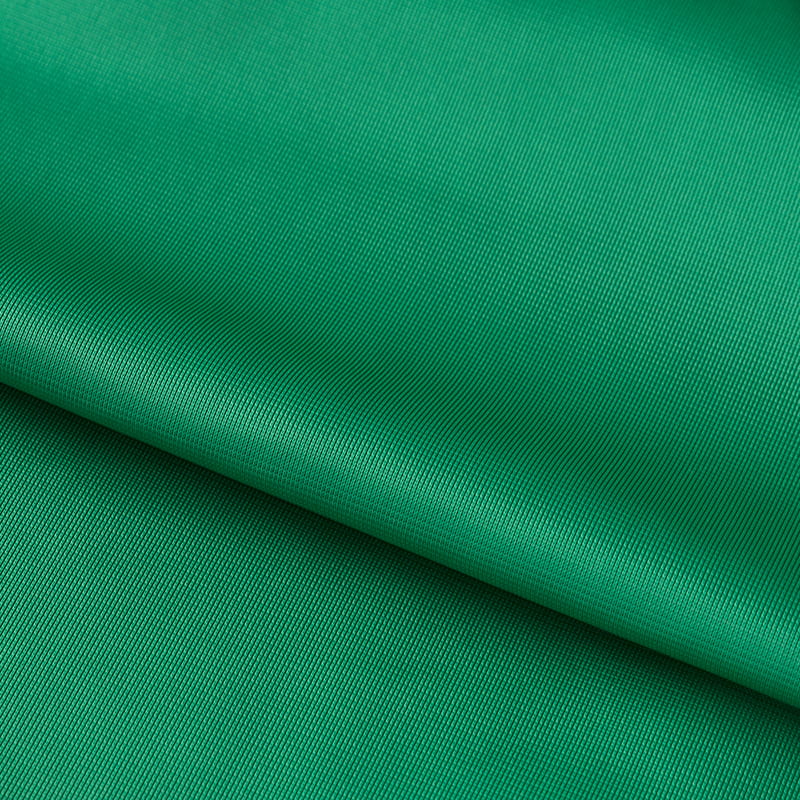
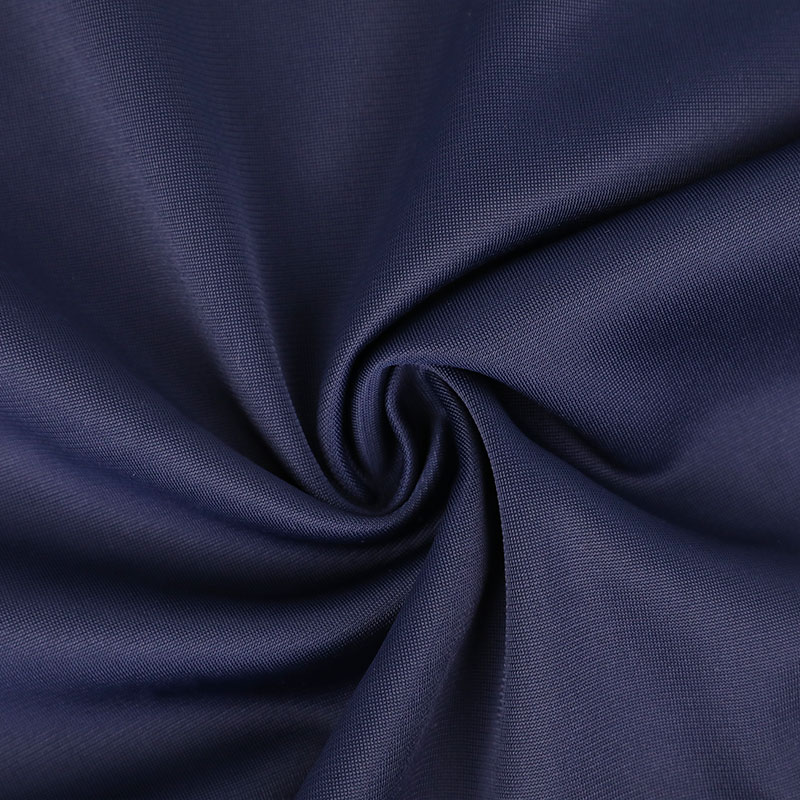
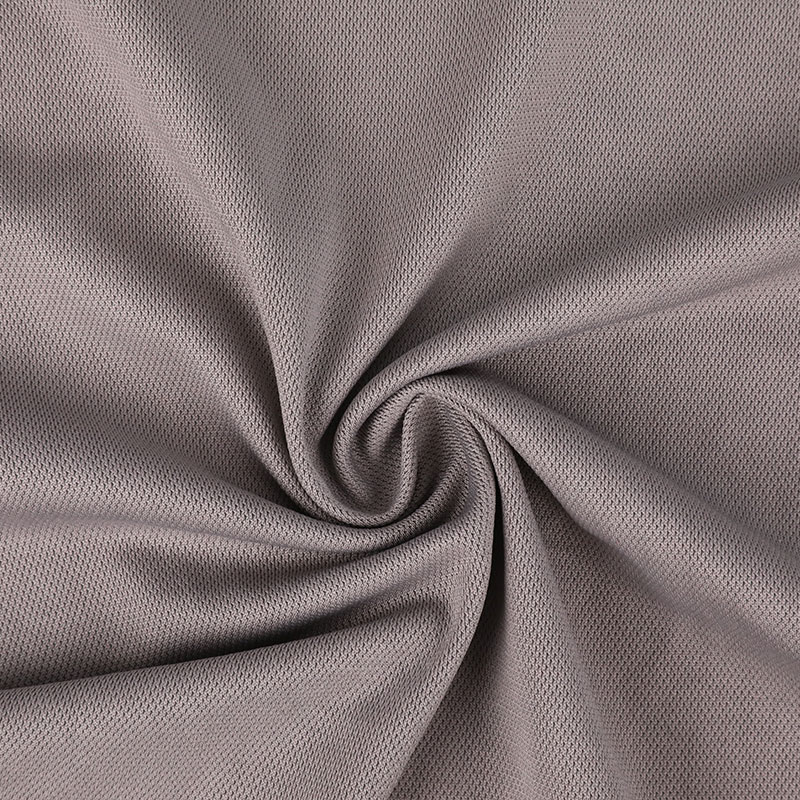
Birdseye Mesh Cloth is a warp-knitted polyester fabric characterized by a regular, evenly spaced small-hole pattern that resembles the eye of a bird when viewed closely — hence the name. The holes are formed during the knitting process by the controlled interlooping of warp yarns, creating a structured open grid across the fabric surface.
Unlike large mesh fabrics where the holes are visually prominent and open, birdseye mesh has a finer, tighter hole pattern that provides breathability without compromising the fabric's structural integrity or surface appearance. The result is a fabric that looks smooth from a distance but performs as a breathable, moisture-wicking technical textile at the garment level.
Birdseye Mesh Cloth is manufactured on warp knitting machines and is made from 100% polyester filament yarn, which gives it the moisture management, durability, and print compatibility properties required for performance sportswear.
Key Technical Specifications of Birdseye Mesh Cloth
Understanding the standard specifications helps buyers select the right product and communicate clearly with manufacturers during the sampling stage.
- Composition: 100% polyester filament
- Weight range: 100gsm to 160gsm (lightweight construction)
- Width: 150cm to 160cm standard
- Hole size: Small, uniform birdseye pattern (finer than large mesh cloth)
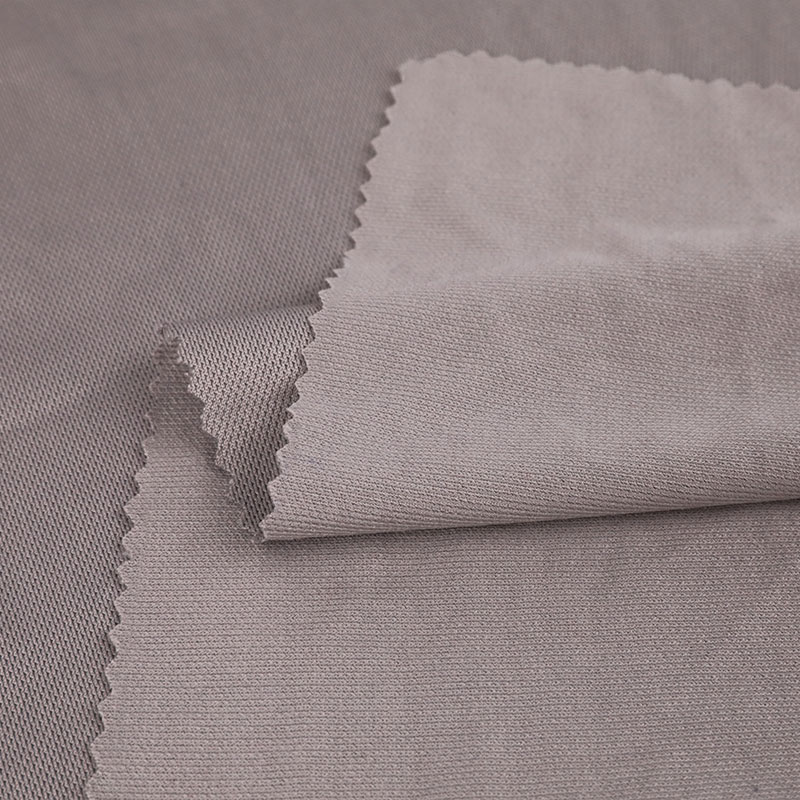
- Surface: Smooth face side, textured reverse with visible knit structure
- Moisture wicking: Yes — polyester filament draws sweat away from skin surface
- Shrinkage rate: Less than 3% after standard wash cycles
- Color fastness: Grade 4 or above (ISO 105-C06)
- Sublimation print compatibility: Excellent on 100% polyester constructions
Birdseye Mesh Cloth vs Large Mesh Cloth: What Is the Difference?
Buyers sourcing polyester mesh fabric for sportswear frequently encounter both Birdseye Mesh Cloth and Large Mesh Cloth from the same manufacturer. Understanding the practical difference between the two helps narrow down the right specification for each application.
Hole Size and Surface Appearance
The most visible difference is hole size. Large mesh cloth has an open, grid-like structure with holes that are clearly visible to the naked eye — typically 3mm to 8mm in diameter, depending on the construction. Birdseye mesh has much smaller holes, often under 1.5mm, giving the fabric a smoother, more refined surface appearance from a normal viewing distance.
Breathability vs Structure
Large mesh offers higher airflow due to its more open construction, making it the preferred choice for inner lining panels, ventilation inserts, and bag components where maximum air circulation is required. Birdseye mesh offers a more balanced combination of breathability and fabric body, making it better suited for use as the primary outer shell fabric of a garment where both performance and aesthetics matter.
Print Compatibility
Birdseye mesh accepts sublimation printing more evenly than large mesh because its tighter surface provides more consistent dye coverage. Large mesh fabrics produce printed designs with visible gaps at each hole, which can affect color continuity on complex or photographic designs. For branded sportswear programs where print quality is a priority, Birdseye Mesh Cloth is the technically superior choice.
Application Summary
- Birdseye Mesh: Outer shells, jersey fronts, tracksuit panels, breathable sportswear garments
- Large Mesh: Lining panels, ventilation zones, bag interiors, T-shirt underlayers, luggage components
Main Applications of Birdseye Mesh Cloth in Sportswear
Birdseye Mesh Cloth is one of the most versatile performance fabrics in wholesale sportswear production. Its moisture management properties, lightweight construction, and print compatibility make it suitable across a broad range of garment categories.
Football and Team Sport Jerseys
Birdseye mesh is the standard fabric for football jerseys, basketball tops, and team sport uniforms globally. Its lightweight construction reduces garment weight during play, while the birdseye hole structure allows heat to escape from the body during high-intensity activity. The 100% polyester composition ensures full sublimation print compatibility, allowing manufacturers to reproduce club colors, sponsor logos, and player numbers with high fidelity.
Training Tracksuits and Athletic Tops
For training wear programs, birdseye mesh is commonly used for the upper body panels of jackets and training tops, either as a full-shell fabric or combined with plain polyester panels. The fabric's moisture-wicking behavior keeps athletes comfortable during extended training sessions, and its wrinkle resistance means garments retain a clean appearance throughout the day.
Running and Cycling Apparel
Running tops, cycling jerseys, and compression base layers benefit from the breathability and low weight of Birdseye Mesh Cloth. At 100gsm to 130gsm, it is among the lightest performance fabrics available from warp knitting manufacturers, making it particularly well-suited for endurance sport applications where garment weight is a meaningful factor.
School Sports Uniforms
Many school uniform programs specify birdseye mesh for PE kits, house color shirts, and inter-school competition jerseys. The fabric's durability under repeated washing, resistance to pilling, and ability to hold sublimated or screen-printed designs make it a practical and cost-efficient choice for institutional sportswear orders.
Casual Activewear and Athleisure
Beyond technical sports applications, birdseye mesh is increasingly used in casual activewear collections where a performance aesthetic is desired without the thermal management demands of competitive sport. Its refined surface texture gives garments a premium technical appearance at a competitive wholesale fabric price.
Moisture Wicking Performance: How Birdseye Mesh Manages Sweat
The moisture management performance of Birdseye Mesh Cloth works through two mechanisms that operate together during physical activity.
Capillary Action Through Polyester Filament
Polyester filament yarn is hydrophobic — it does not absorb moisture the way natural fibers like cotton do. Instead, moisture on the skin surface is drawn along the yarn surface through capillary action and transported to the outer face of the fabric, where it can evaporate. This keeps the fabric from becoming saturated and heavy during exercise, and prevents the uncomfortable clammy feeling associated with high-absorption fabrics.
Airflow Through the Birdseye Structure
The small holes in the birdseye pattern create micro-channels for air circulation across the skin surface. Even when the fabric is held close to the body, these channels allow a degree of convective heat transfer that accelerates sweat evaporation and helps regulate body temperature during sustained physical activity.
Together, these two properties give Birdseye Mesh Cloth a moisture-wicking performance level that is significantly superior to plain polyester fabrics of equivalent weight, without requiring additional chemical finishing treatments.
How to Evaluate a Birdseye Mesh Cloth Manufacturer
Not all polyester mesh fabrics perform equally, even when marketed under the same product name. When evaluating a Birdseye Mesh Cloth supplier from China, the following criteria separate reliable manufacturers from commodity traders.
Equipment and Production Capability
Birdseye Mesh Cloth produced on high-specification warp knitting machines — such as those manufactured by Karl Mayer of Germany — delivers more consistent hole uniformity, tighter dimensional tolerances, and better color consistency across a production batch than fabric produced on lower-specification domestic machines. Ask potential suppliers what knitting machines they use and whether they can provide fabric samples from the same machine type as the bulk production run.
Yarn Quality and Composition Verification
Request confirmation that the fabric is made from 100% polyester filament yarn rather than polyester staple fiber. Filament yarn produces a smoother, more consistent fabric surface and delivers superior moisture-wicking performance. Staple fiber constructions may feel similar but perform differently in wear testing and are less compatible with sublimation printing.
Sample Testing Before Bulk Order
Before committing to a bulk order, request a minimum of 5 meters of fabric sample and conduct the following basic checks:
- Wash test: Wash the sample three times at 40°C and measure the dimensional change
- Color fastness test: Rub the fabric against white cotton fabric (dry and wet) to check dye transfer
- Print test: If sublimation printing is planned, apply a test print to confirm color saturation and definition on the specific fabric construction
- Weight check: Weigh a 100cm x 100cm swatch to confirm the GSM matches the specification on the quotation
Minimum Order Quantities and Lead Times
Most established Birdseye Mesh Cloth manufacturers in China accept minimum orders of 500 meters per color for standard constructions. Custom colors require a lab dip approval process that adds 5 to 7 working days before bulk production begins. Standard production lead time after sample approval is 15 to 25 working days for most export orders.
Frequently Asked Questions (FAQ)
Q: What is the standard weight of Birdseye Mesh Cloth used in football jerseys?
A: The most commonly specified weight for football jerseys and team sport jerseys is 120gsm to 140gsm. This weight provides adequate fabric body for the garment to hold its shape during play while remaining light enough to minimize restrictions on movement. Heavier constructions up to 160gsm are sometimes specified for training wear where a more substantial feel is preferred.
Q: Can Birdseye Mesh Cloth be used for both the front and back panels of a jersey, or only for ventilation zones?
A: Birdseye Mesh Cloth is suitable for use as the primary shell fabric across the entire garment — front panel, back panel, and sleeves. Unlike large mesh, which is sometimes limited to ventilation zones due to its open structure, birdseye mesh has sufficient fabric body and surface refinement to be used as a full-shell fabric in jerseys, training tops, and lightweight jackets.
Q: Is Birdseye Mesh Cloth suitable for screen printing as well as sublimation printing?
A: Yes. Birdseye Mesh Cloth accepts both sublimation printing and screen printing. Sublimation printing is the preferred method for complex multicolor designs and photographic graphics on 100% polyester mesh, as it produces a permanent dye bond with no hand feel on the fabric surface. Screen printing is suitable for simpler one to three-color designs and is commonly used for number and lettering applications on team jerseys.
Q: How does Birdseye Mesh Cloth hold up to repeated industrial washing?
A: High-quality Birdseye Mesh Cloth produced from 100% polyester filament on precision warp knitting machines shows less than 3% dimensional change after 30 standard wash cycles at 40°C. The whole structure remains stable, the fabric does not pill under normal use conditions, and color fastness ratings of Grade 4 or above are achievable with properly dyed fabric. For institutional applications such as school sports uniforms, this durability level is sufficient for a minimum of two to three academic years of regular use.
Q: What is the difference between moisture-wicking Birdseye Mesh Cloth and standard Birdseye Mesh Cloth?
A: All Birdseye Mesh Cloth made from 100% polyester filament yarn provides a base level of moisture-wicking performance through the natural hydrophobic properties of polyester. Some manufacturers apply a separate hydrophilic finishing treatment to enhance moisture transport speed — this is sometimes marketed as "moisture wicking" or "quick-dry" mesh. The finishing treatment adds a small cost premium but measurably improves moisture transport in laboratory testing. For competitive sportswear applications, the treated version is recommended. For casual activewear and school sport uniform programs, standard polyester birdseye mesh without additional finishing is generally sufficient.
Source Birdseye Mesh Cloth from Hongjian Textile
Changxing Hongjian Textile Co., Ltd. manufactures Birdseye Mesh Cloth and Large Mesh Cloth on Karl Mayer warp knitting machines at its factory in Changxing, Zhejiang Province, China. With an annual production capacity exceeding 5000 tons across all fabric categories, Hongjian Textile supplies mesh fabrics, Super Poly Fabric, mercerized velvet, and plain fabric to sportswear manufacturers, uniform suppliers, and wholesale fabric distributors across more than 10 countries.
Solid color and custom-dyed Birdseye Mesh Cloth is available from stock in standard weights, with custom color and printed constructions available on a production order basis. Sample packs with multiple weight and color options can be dispatched within 3 to 5 working days.
Contact us through hongjiantextile.com to request samples and a wholesale price list.
Related Products: Large Mesh Cloth | Super Poly Tricot Fabric | Mercerized Velvet Fabric | Plain Fabric Wholesale